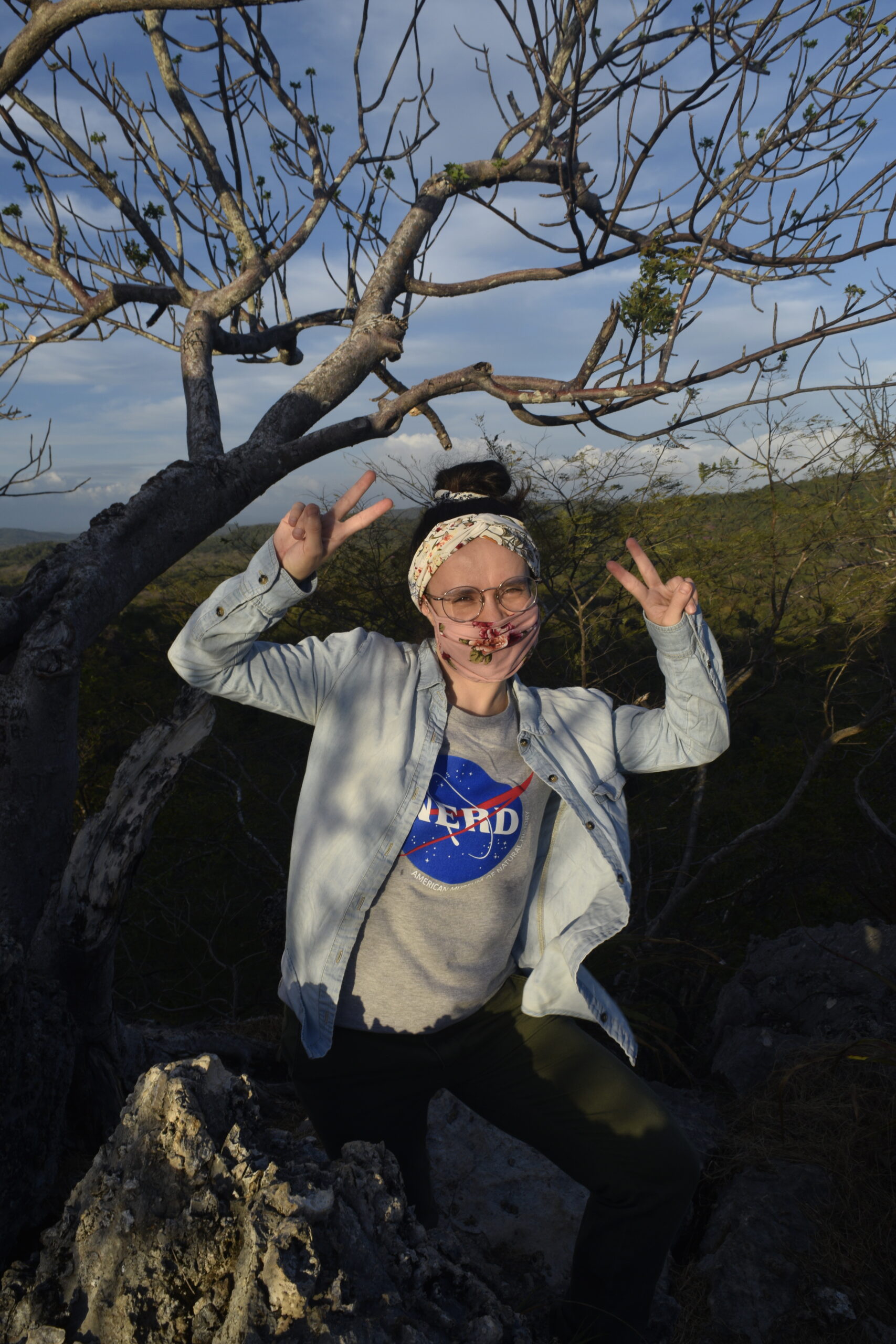
Ph.D. IN Chemical Ecology | Analytical Chemistry | Animal-plant interactions. Postdoctoral Researcher at Virginia Tech.
About me
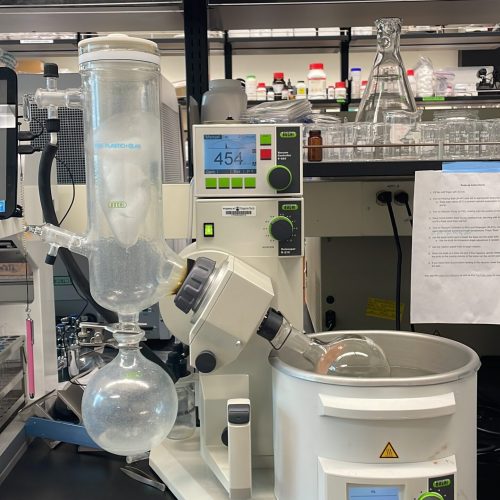
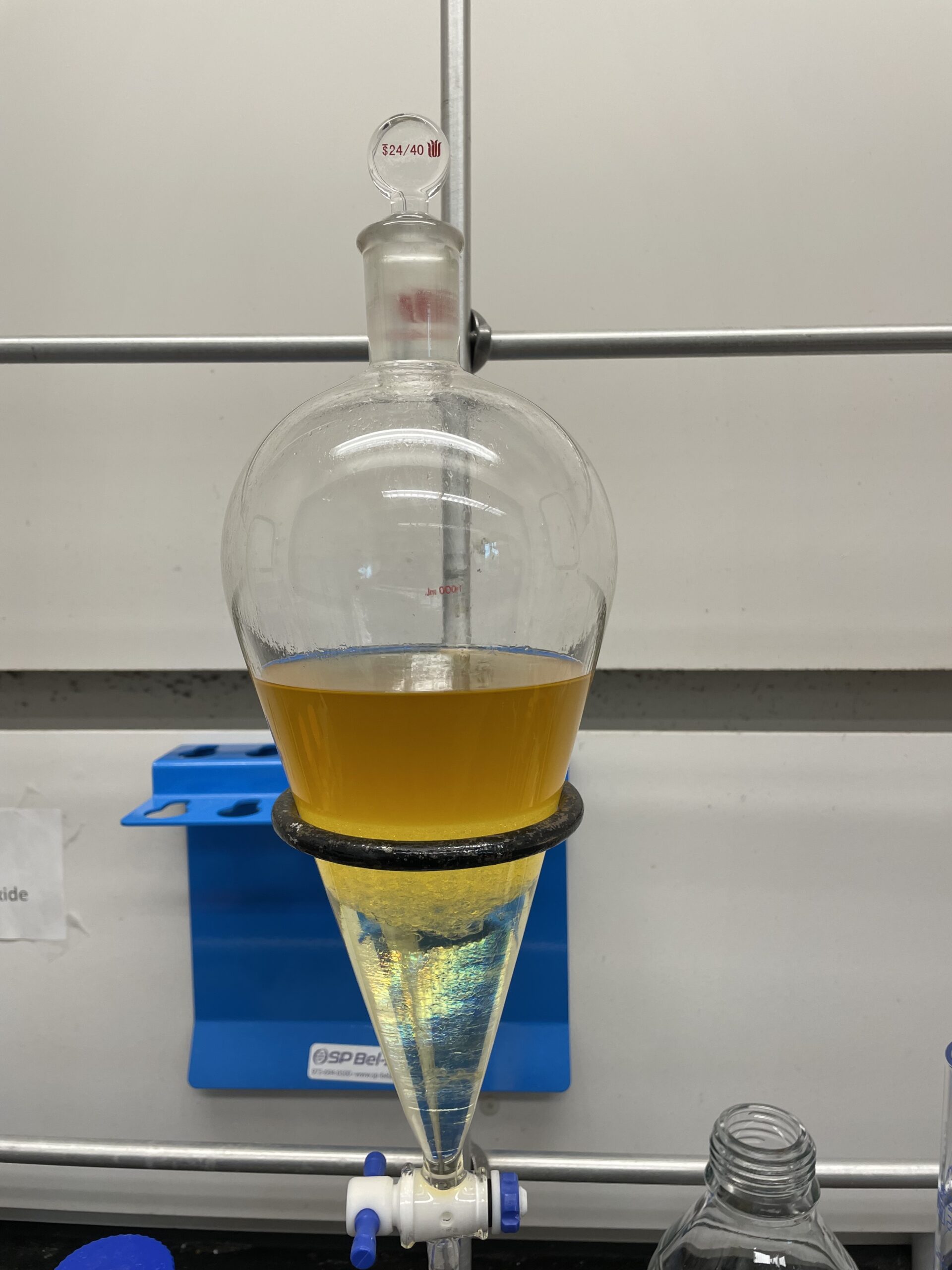
Plants produce diverse molecules known as phytochemicals, which shape ecological interactions. My research uses analytical chemistry techniques (including GC-MS, HPLC, and LC-MS, tools that help separate, detect, and identify molecules) to study patterns of phytochemical variation. I combine these chemical analyses with behavioral and physiological experiments to understand how phytochemicals affect animals.
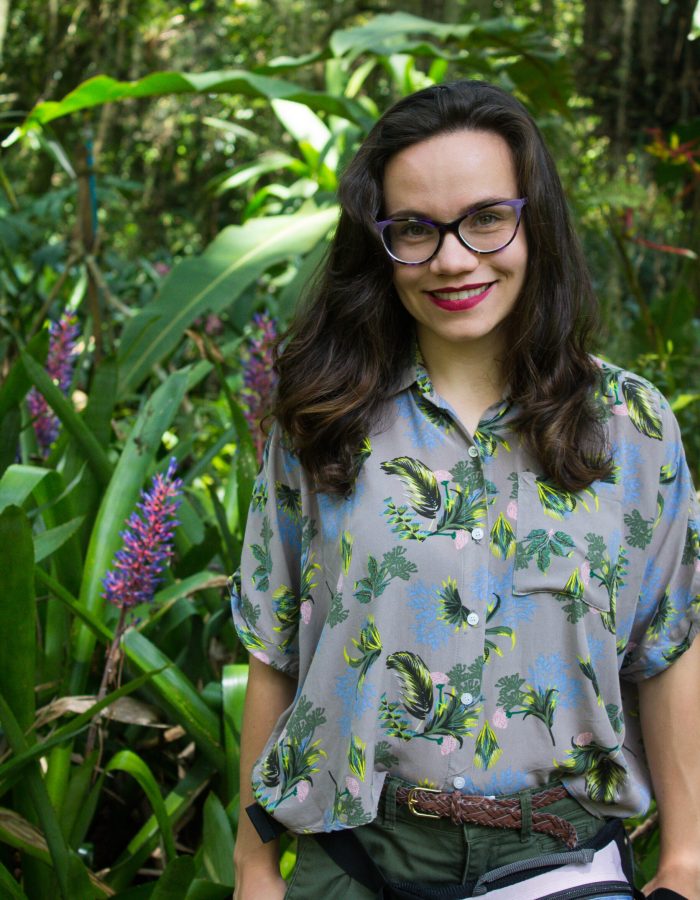
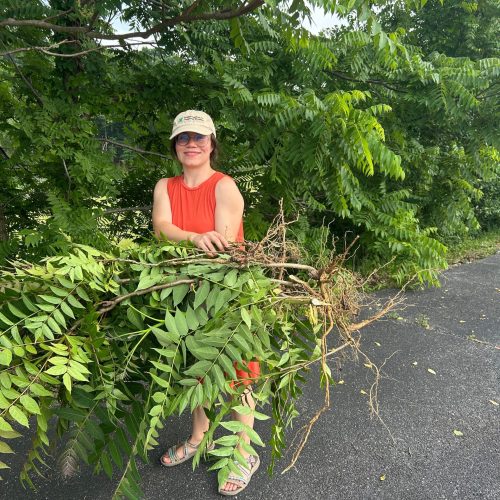
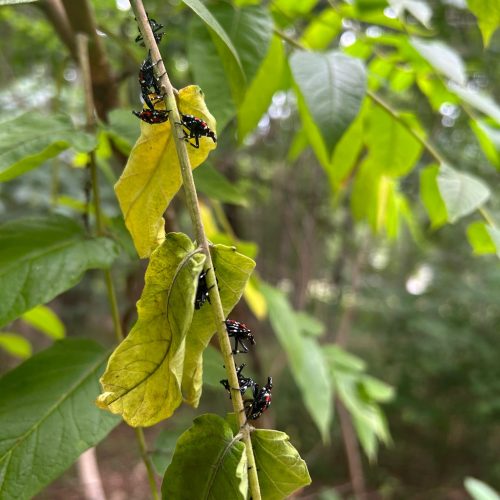
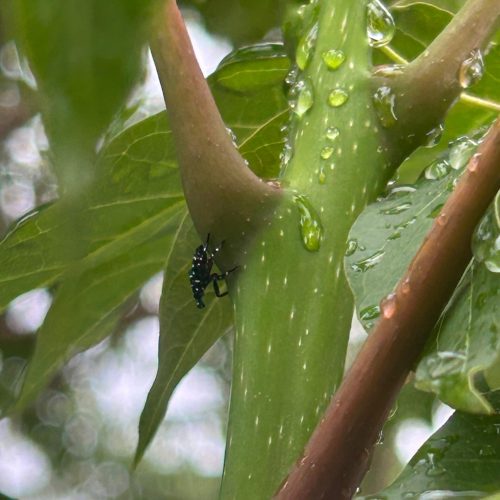
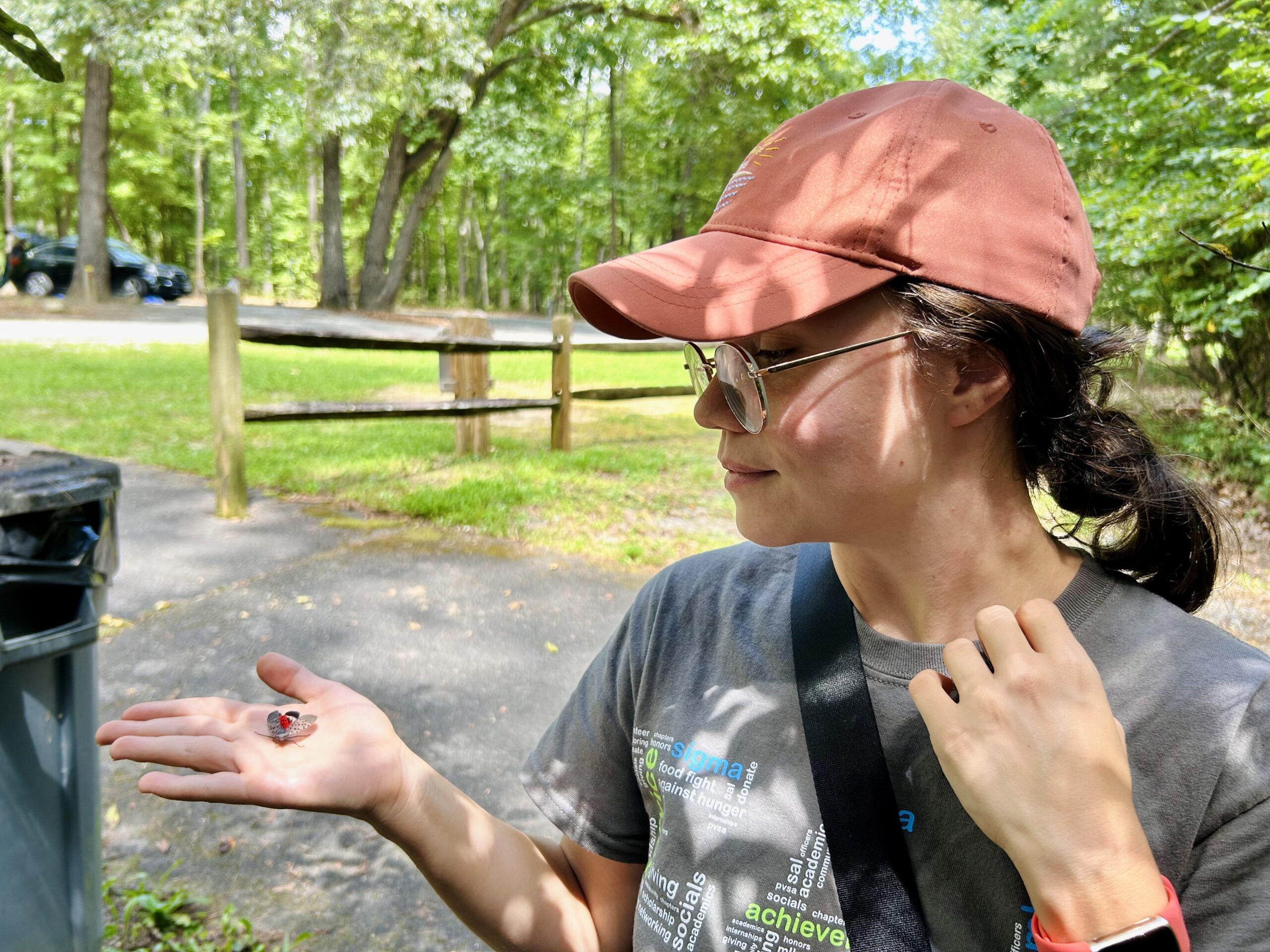
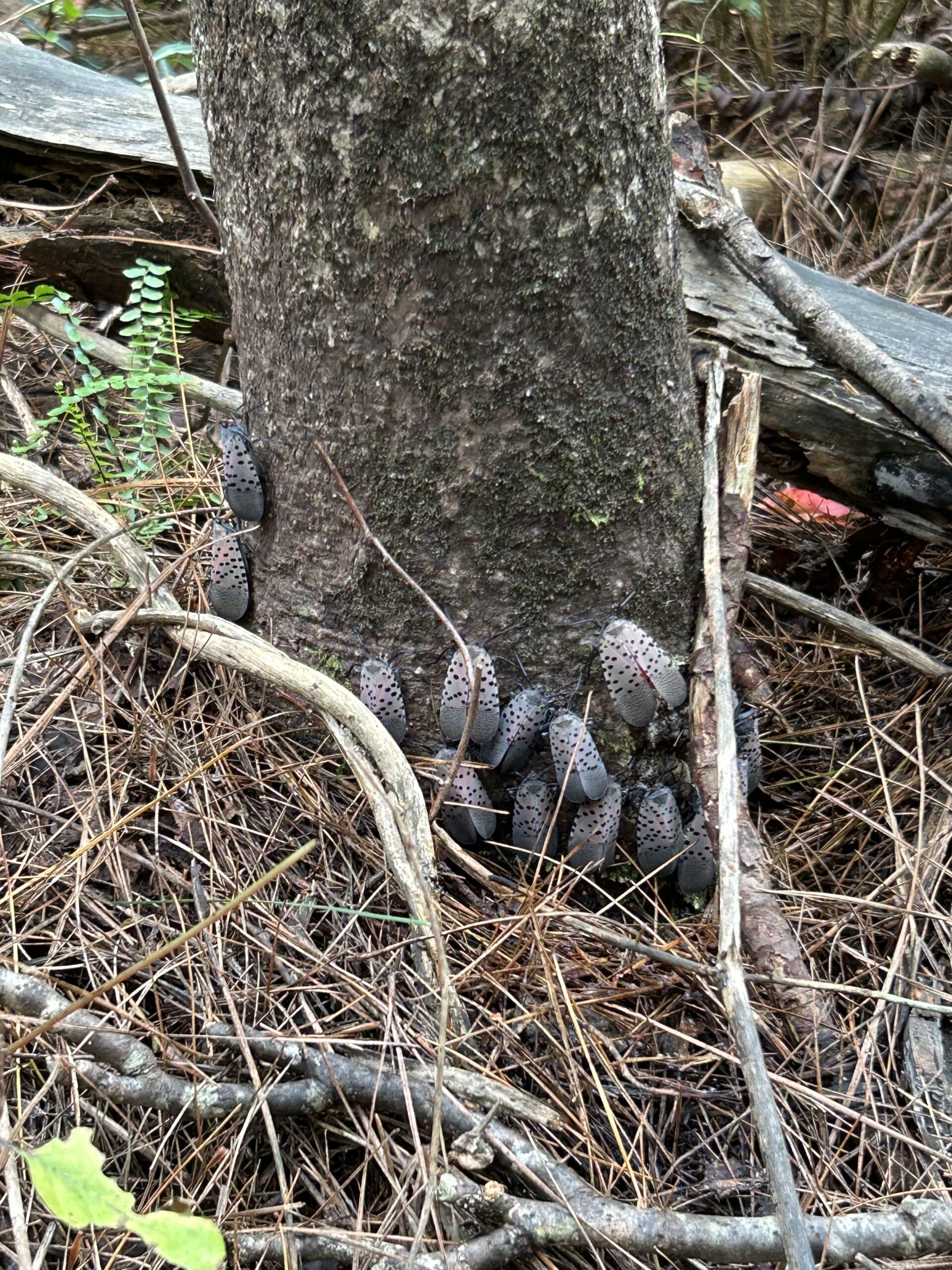
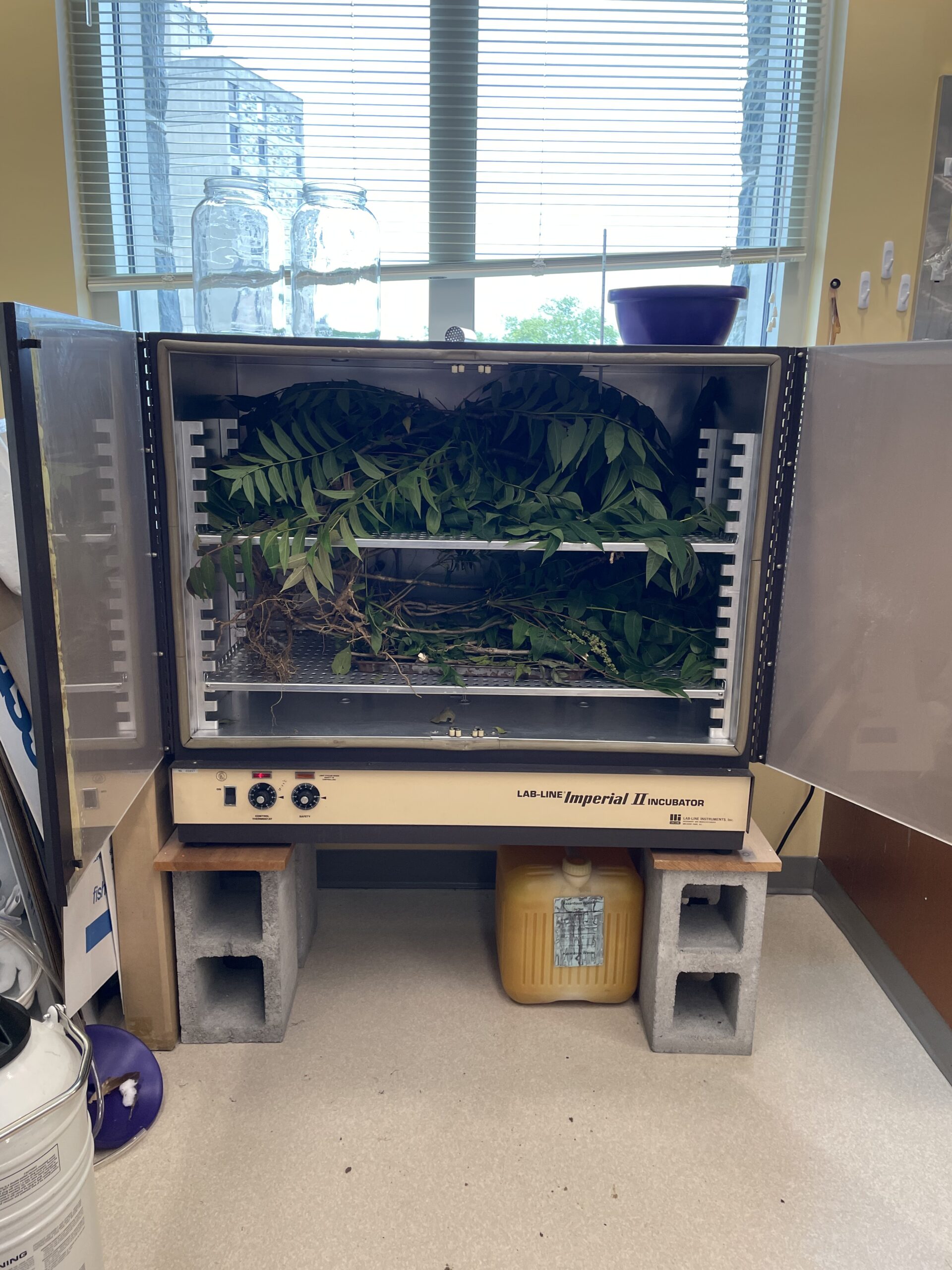
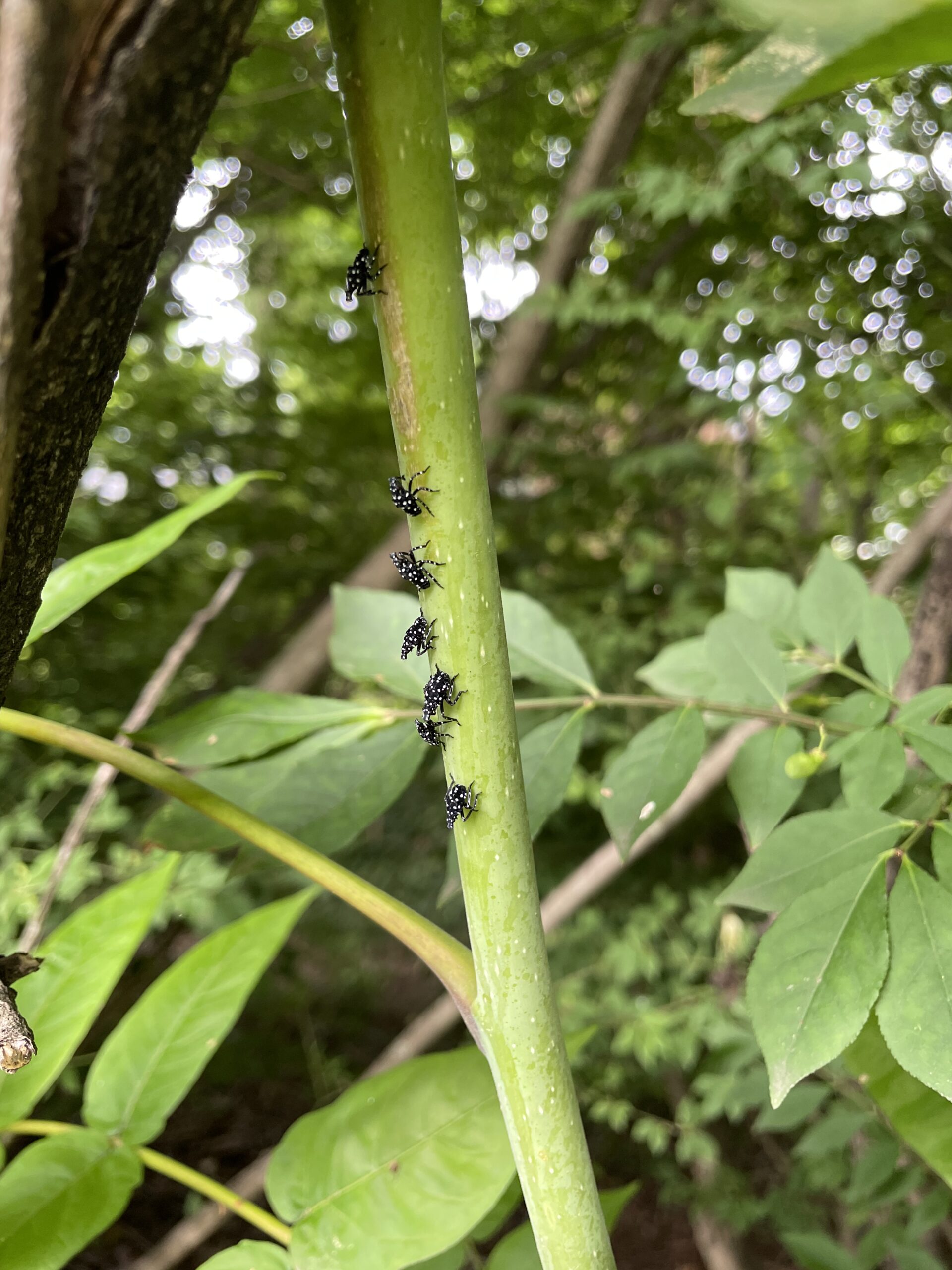
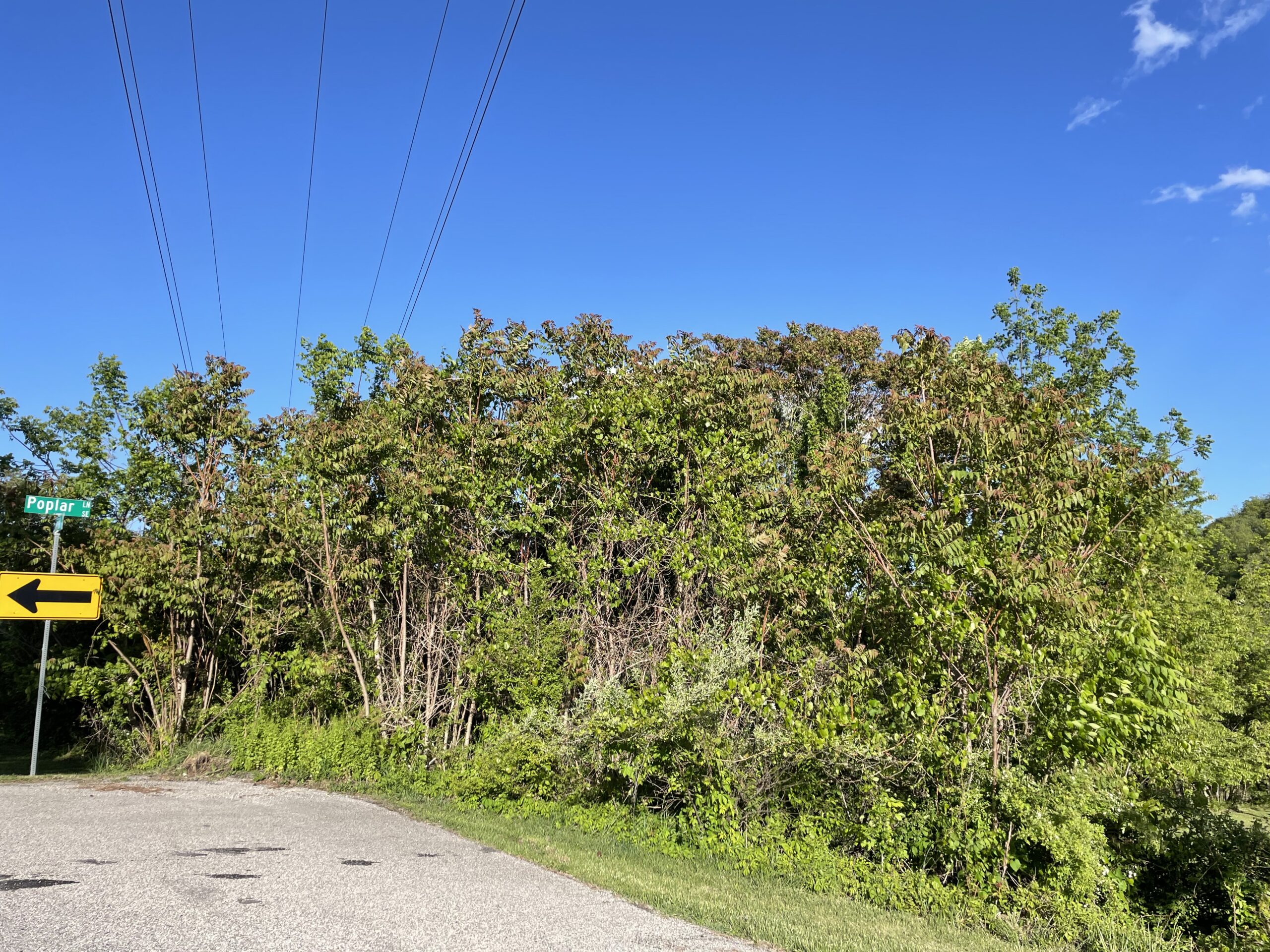
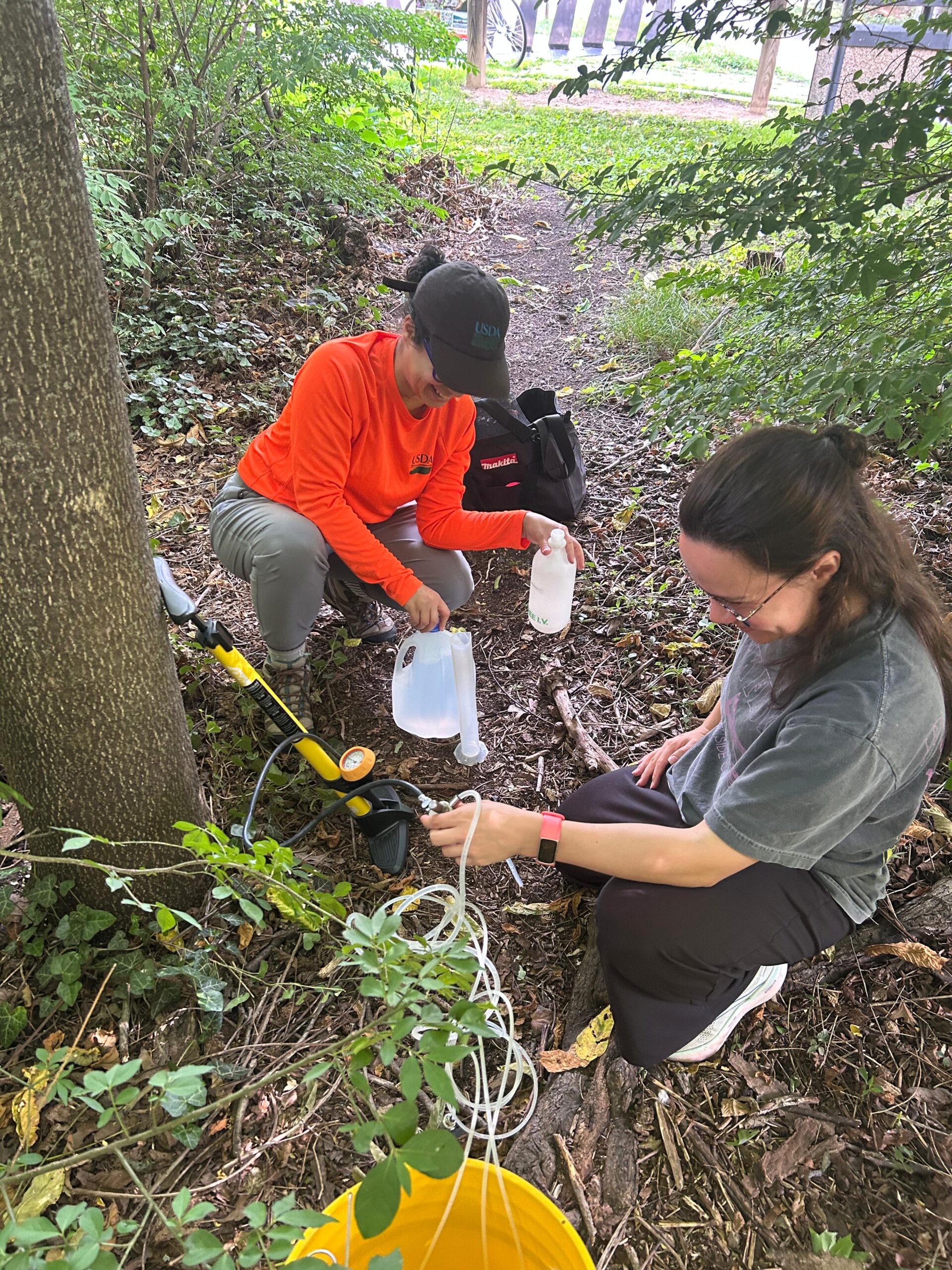
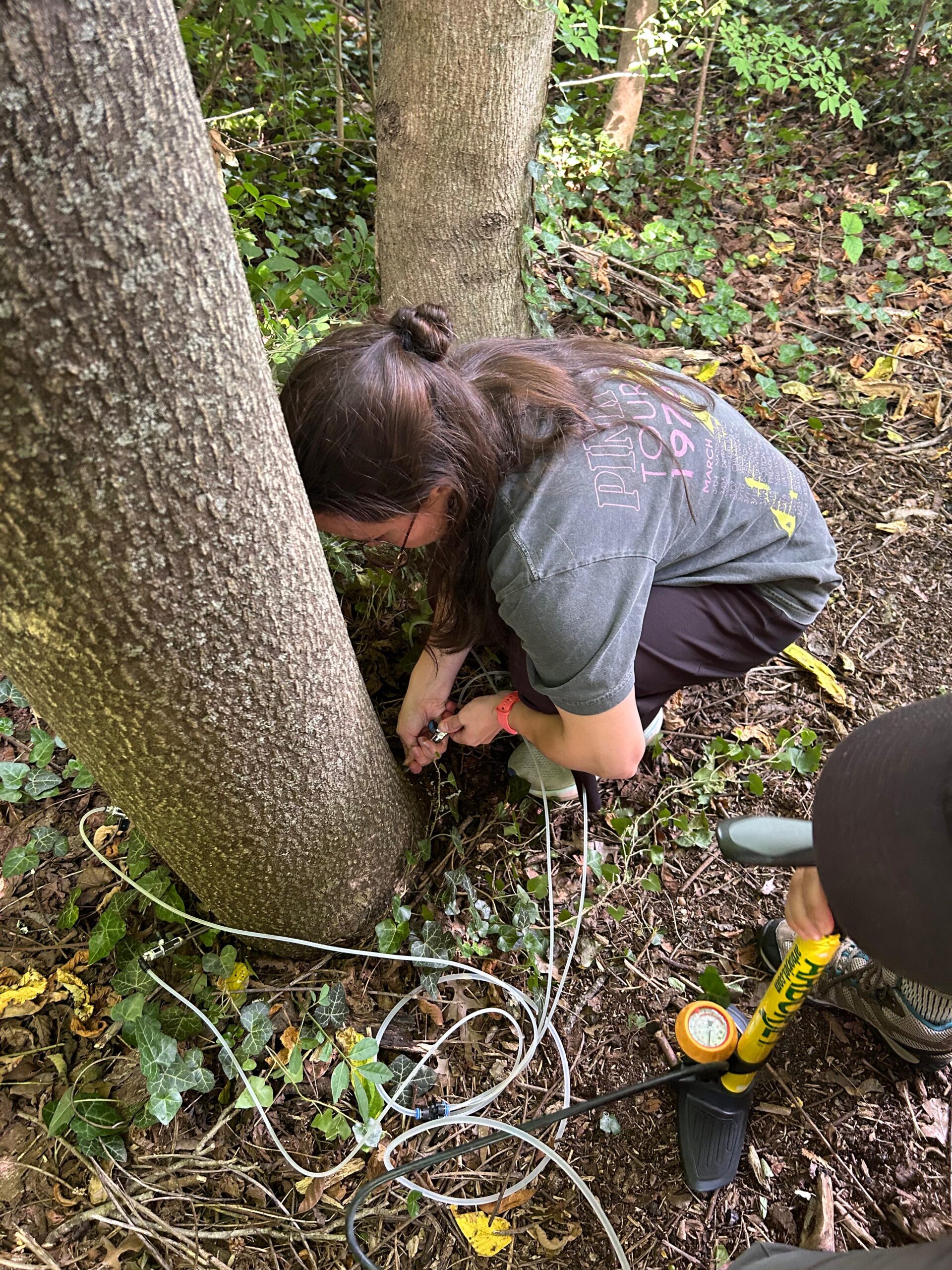
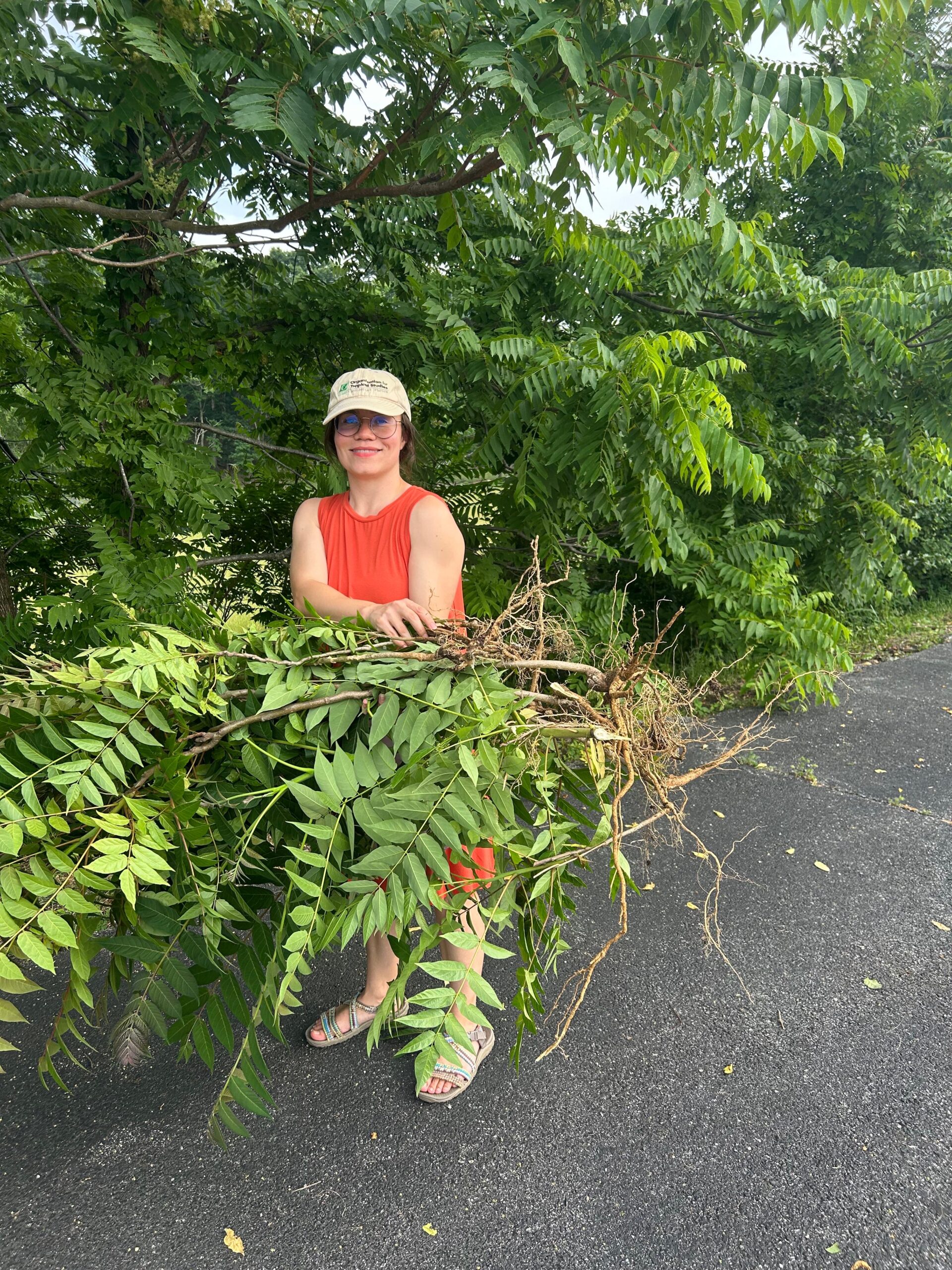
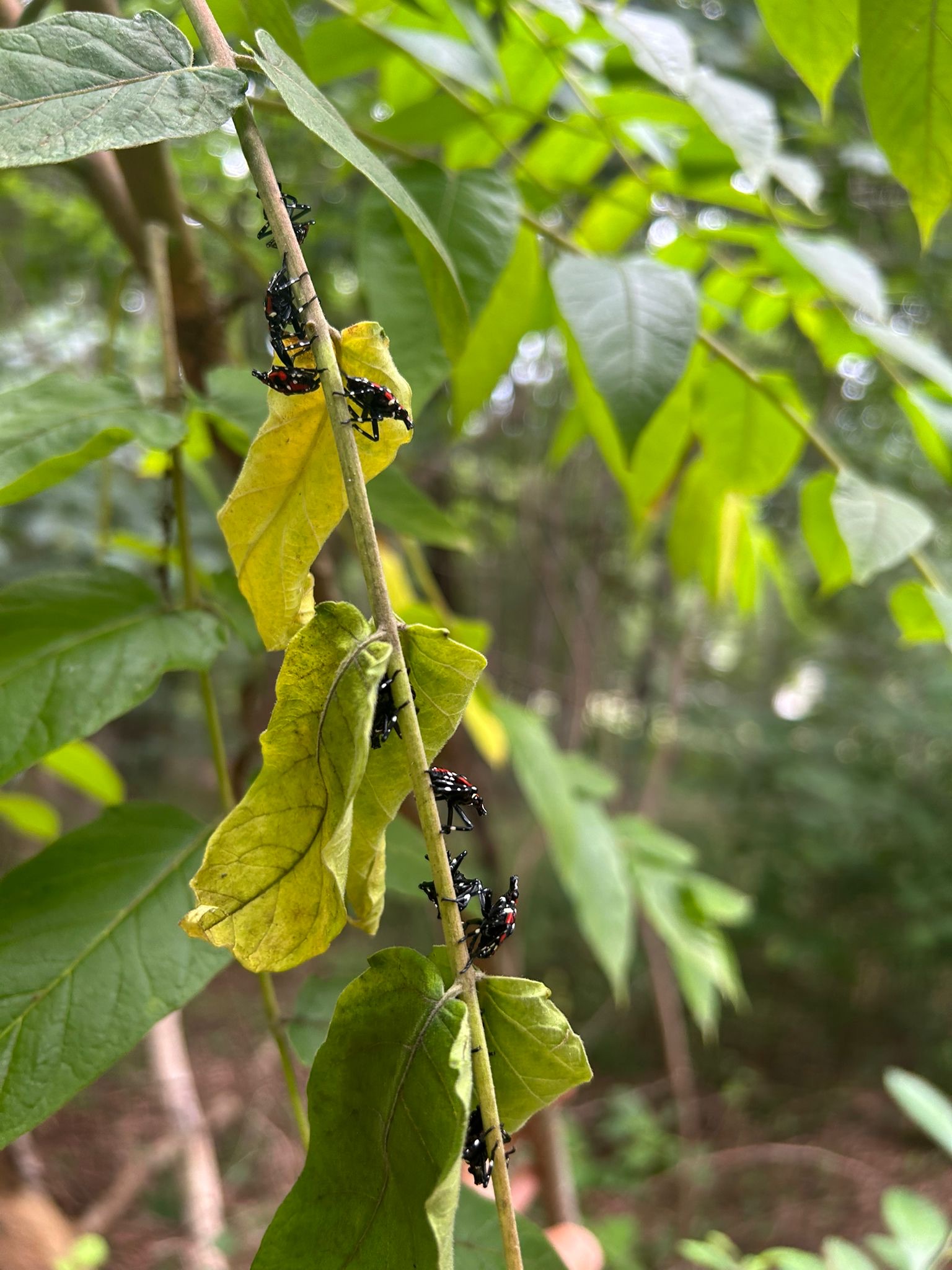
I am a Postdoctoral Researcher in the Tholl and Whitehead Labs at Virginia Tech. My current work focuses on the chemical ecology of the invasive spotted lanternfly, Lycorma delicatula (Fulgoridae), and its preferred host, tree of heaven, Ailanthus altissima (Simaroubaceae). We aim to understand host selection, nutrition, and develop potential control strategies. I also study the evolutionoffruit toxicity in Neotropicalplants, testing whether fruits dispersed by bats, birds, or abioticmechanisms differ in their chemicaldefenses.
My previous research focused on the hyperdiverse genus Piper (Piperaceae) and its interactions with Carollia (Phyllostomidae) bats. I used this system to investigate how major classes of phytochemicals influence ecological interactions across the Neotropics.
I received my Ph.D. in Ecology, Evolution, and Behavior from Virginia Tech in 2024. Before that, I earned my bachelor’s degree in Biology from Universidad de Los Andes (ULA) in 2017, in my home country, Venezuela.
When I am not in the lab, I enjoy running, working out, spending time outdoors with my lovely son and husband, reading voraciously (anything gothic, dark, strange, or Latin American Boom-adjacent; ask at your own risk), and writing fiction amateurishly but very enthusiastically.
Research
Chemical Ecology of the Spotted Lanternfly–Tree of Heaven Interaction
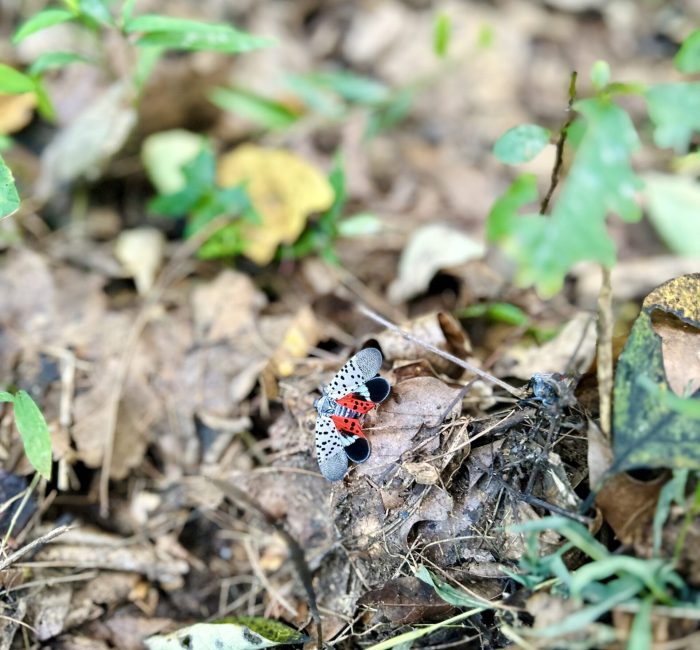
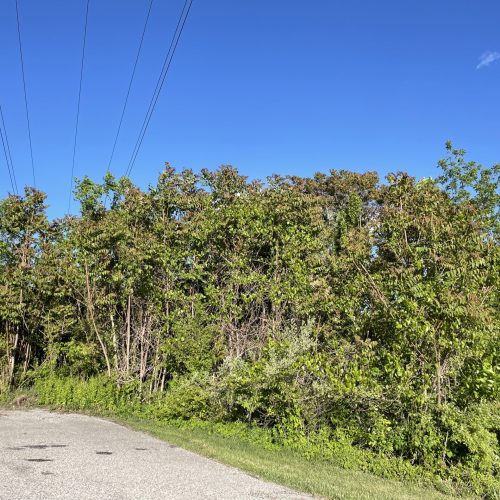
I study the chemicalecology of the invasivespotted lanternfly, Lycormadelicatula (Fulgoridae), and its preferred host, tree-of-heaven, Ailanthusaltissima (Simaroubaceae). This project, in collaboration with USDA APHIS-PPQ, investigates the chemical factors that influence spotted lanternfly host selection, feeding behavior, nutrition, and development.
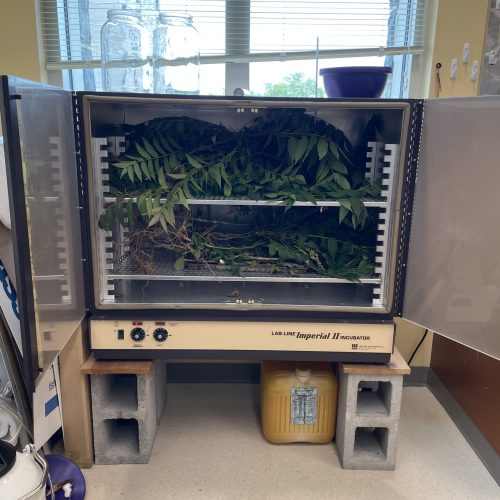
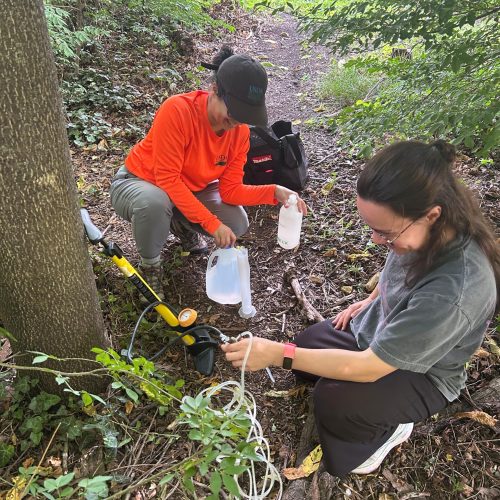
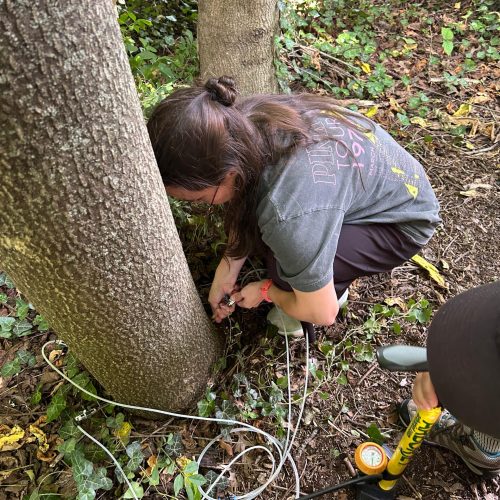
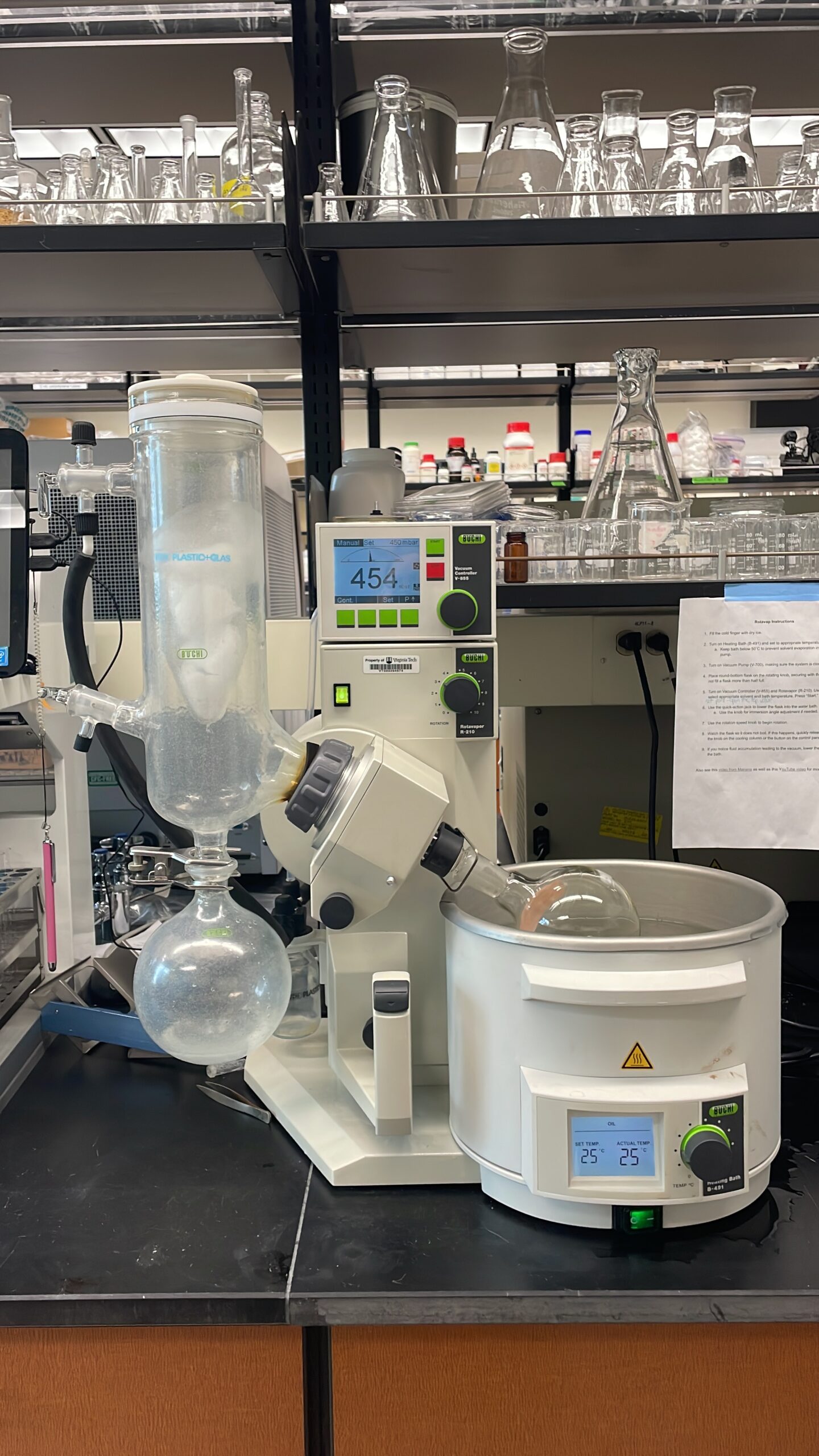
Using untargetedmetabolomics, we compare the metaboliteprofiles of tree of heaven phloemsap with those of spotted lanternfly honeydew to determine which phloem compounds are ingested, metabolized, and excreted. We are also developing strategies to help managespottedlanternflypopulations, including naturallures derived from tree-of-heaven extracts.
Evolution of Fruit Toxicity in Neotropical Plants
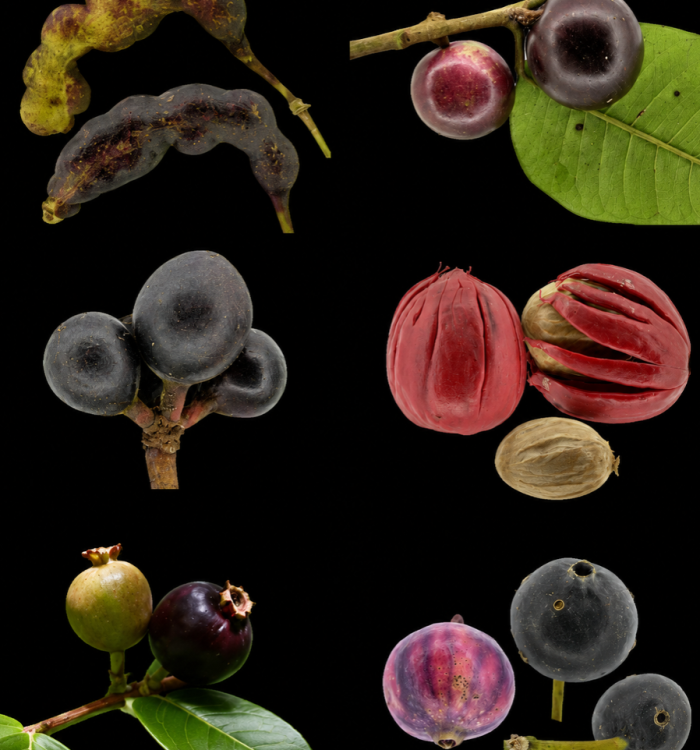
Fruits are often viewed as rewards for seeddispersers, but they also contain bioactivesecondarymetabolites that can affect animalbehavior, digestion, and performance.
This project asks whether fruitchemistry reflects adaptation to primaryseeddispersalmode. Using fruitextracts from 18Neotropicalplantspecies collected on BarroColoradoIsland(BCI), Panama, we compare the effectsofbat-dispersed, bird-dispersed, and abiotically dispersed fruits on a mutualistseeddisperser, Carollia perspicillata, and several antagonists (insects and fungi). We combine comparativebioassays with untargeted LC-MS metabolomics to test whether abiotically dispersed fruits are moretoxic and whether biotically dispersed fruits show chemical patterns shaped by the balance between attractingmutualists and defendingagainstantagonists.
Chemical Ecology of Bat–Fruit Interactions
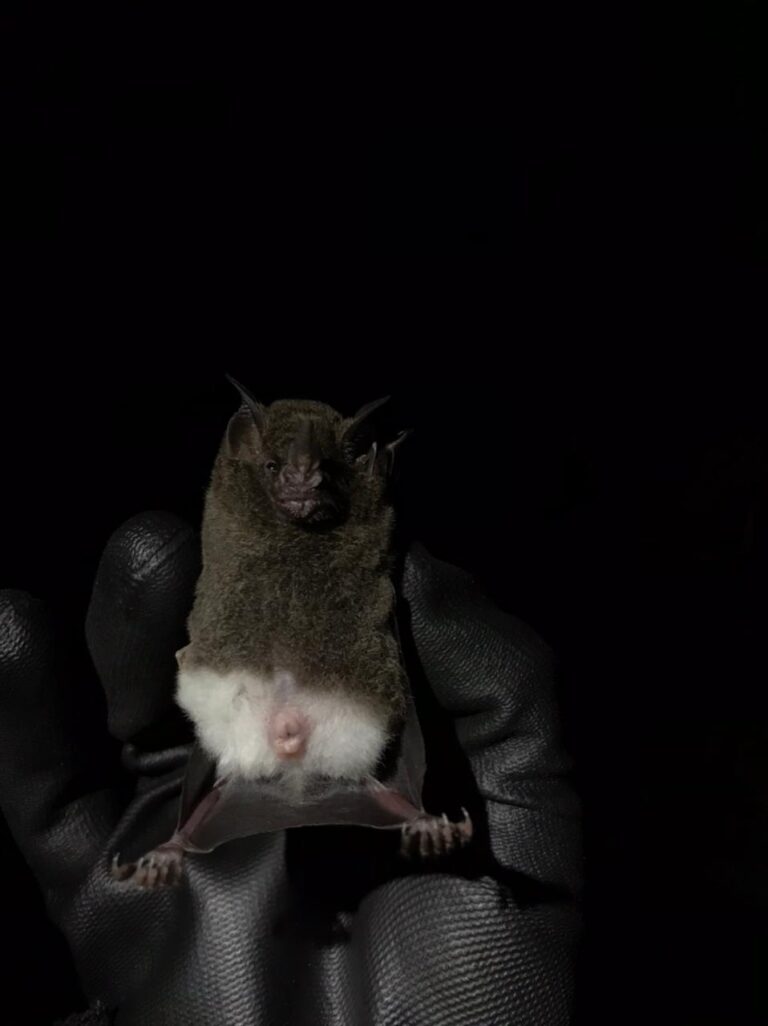
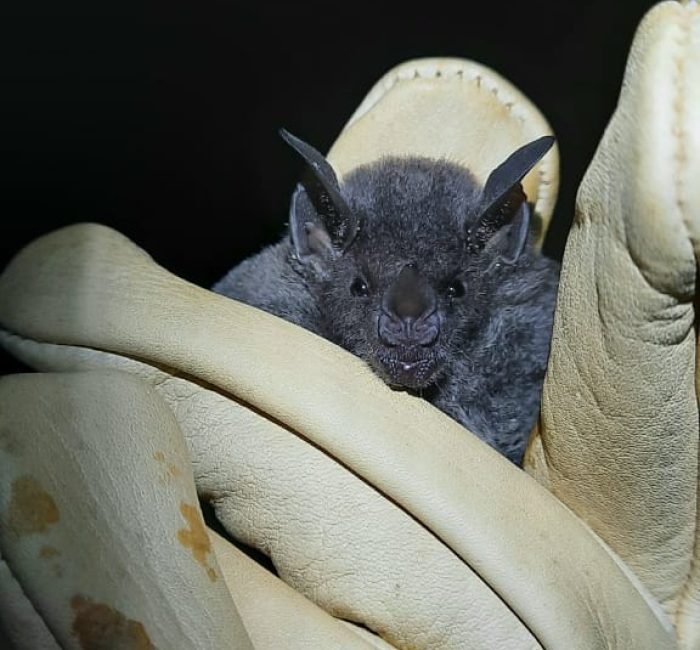
My previous work focused on the chemicalecology of bat–fruit interactions. Fruit bats consume ripe fruit pulp that contains both nutrients, such as sugars and proteins, and potentially toxic secondary metabolites. Although the effects of plant secondary metabolites on herbivores are well documented, their effects on frugivores remain less understood.
Through behavioral feeding experiments and fecal metabolomics, I found that fruit secondary metabolites can deter bat feeding, alter nutrient absorption, and reshape the bat fecal metabolome. Some metabolites are excreted intact, suggesting that bats may possess physiological mechanisms that allow them to tolerate or eliminate fruit toxins. These adaptations may fuel the mutualisticrelationship between fruitingplants and their seed dispersers.
Synthetic Chemical Lures for Bat-Mediated Forest Restoration
I am also interested in applying chemical ecology to conservation and restoration. In tropical forests, seed-dispersingbats play an important role in forest regeneration, especially in degraded landscapes. We developed syntheticchemicallures based on volatileorganiccompounds from ripe bat–dispersedfruits that attract fruit bats and increase seed rain.
We found that daily deployment of synthetic lures increasedcaptures of Carollia bats, and longer lure deployment increasedthenumber of seeds collected in seed traps. This work suggests that fruit-derived chemical cues could be used as a tool to enhance bat activity.
Teaching and Mentoring
Teaching Philosophy
My teaching and mentoring philosophy centers on independence and self-directed learning. I believe students learn most deeply when they are given the tools, confidence, and space to explore ideas on their own. As a mentor, I try to ask the kinds of questions that make students want to know more, questions that spark curiosity and then turn that curiosity into research.
I guide students through every stage of the research process, from developing hypotheses and designing experiments to collecting rigorous data, analyzing results, and communicating their findings clearly. I am especially passionate about statistics. I believe good statistical thinking begins before data collection. As R. A. Fisher said, “To call in the statistician after the experiment is done is often merely to ask him to conduct a post mortem examination.” For this reason, I encourage students to think carefully about experimental design, replication, and analysis from the very beginning.
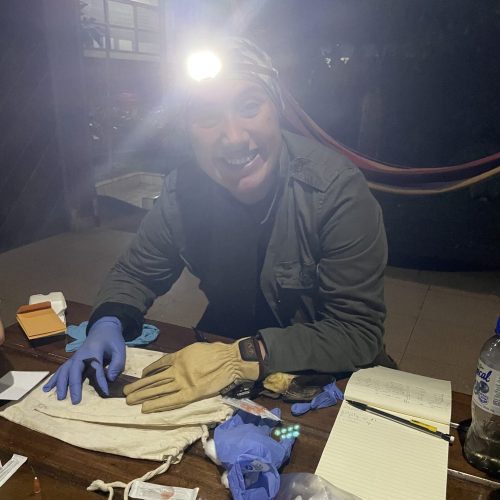
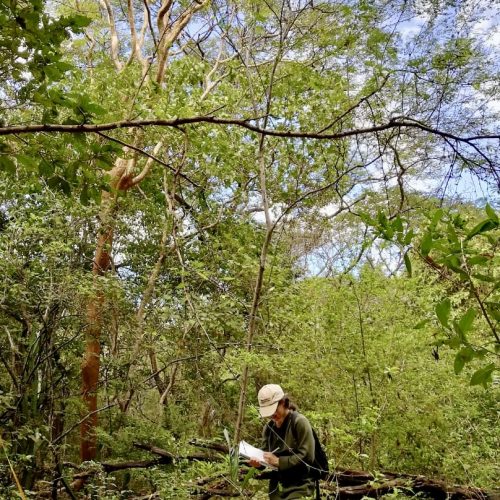
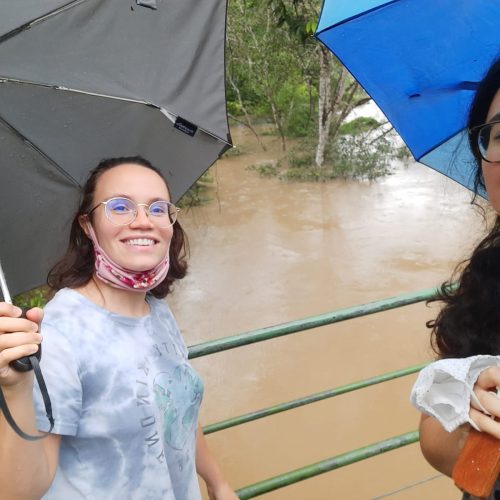
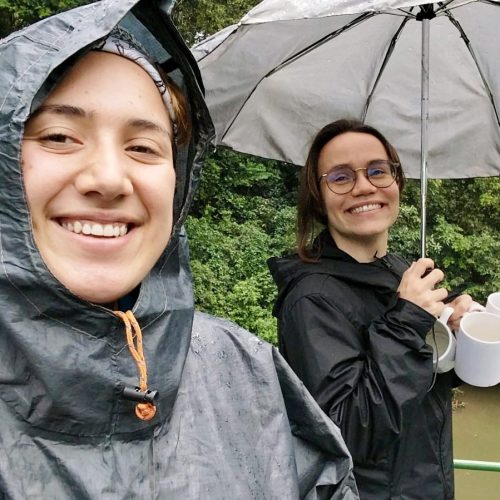
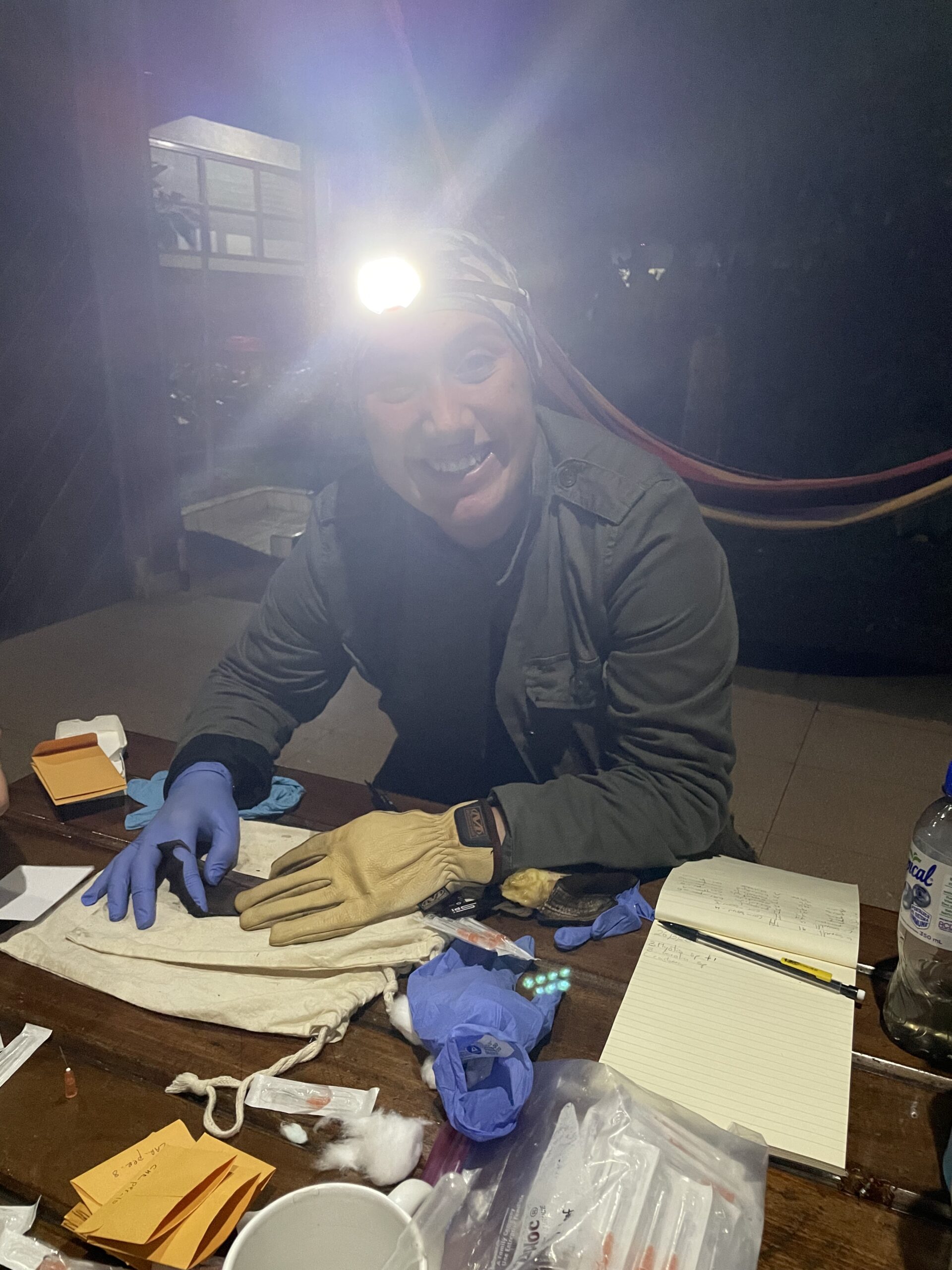
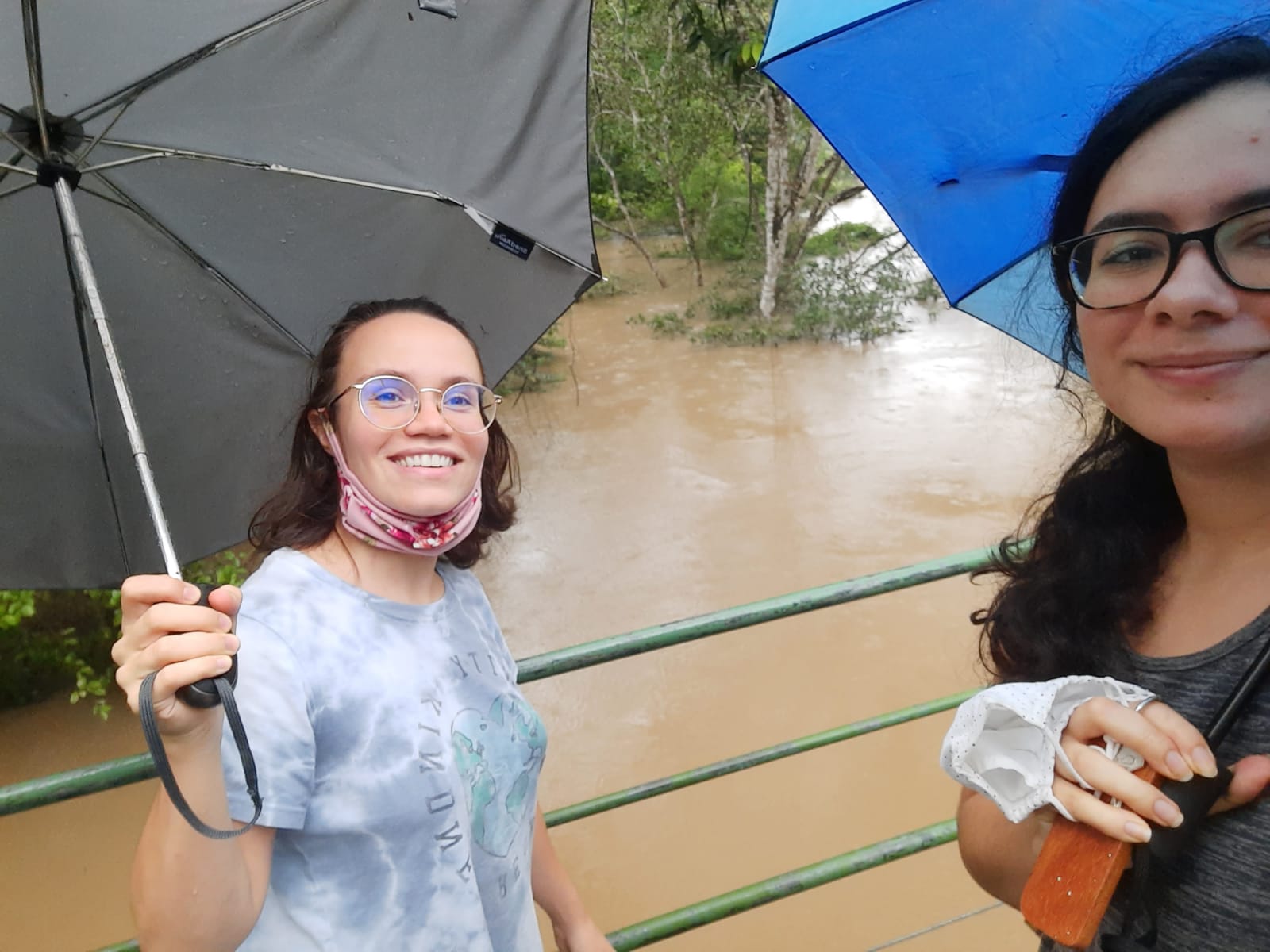
I also believe that research requires flexibility and creativity. Experiments rarely go exactly as planned, especially when you are in the middle of a tropical forest, bats escape, your field site floods, and you get bitten by a bullet ant. Learning how to adapt is one of the most valuable skills a student can develop.
Teaching and Mentoring Experience
I have had the opportunity to teach and mentor students in classrooms, laboratories, and field settings. In 2017, I taught Evolutionary Biology in Venezuela, where I developed lectures, exams, and course materials for a small group of students. In the United States, I have worked as a Teaching Assistant for Ecology and Introductory Biology laboratories, both in person and virtually.
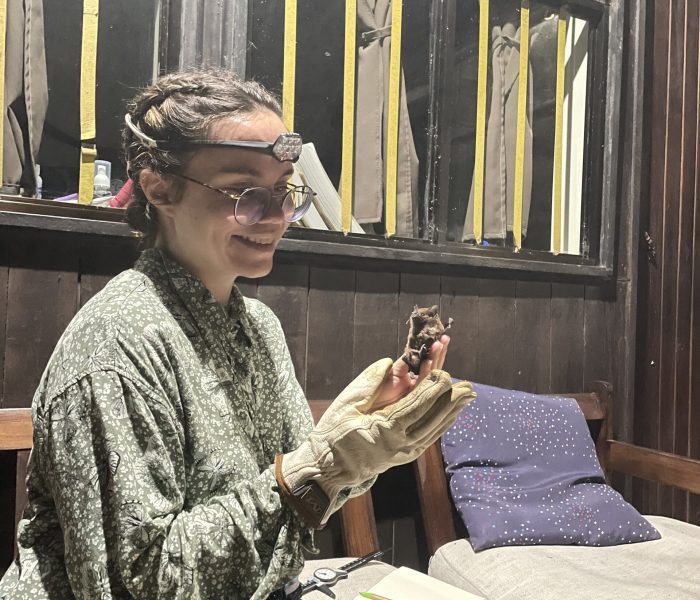
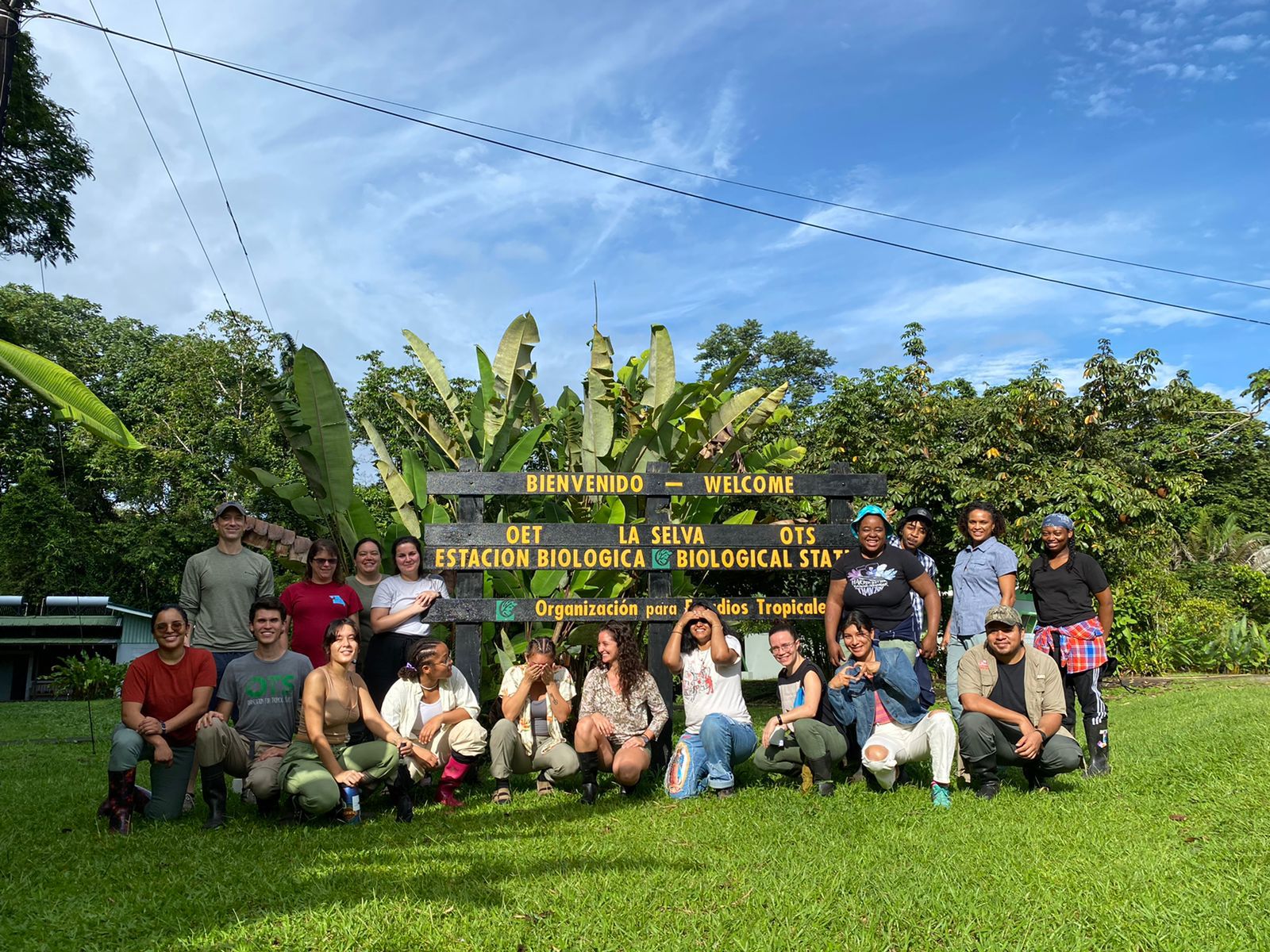
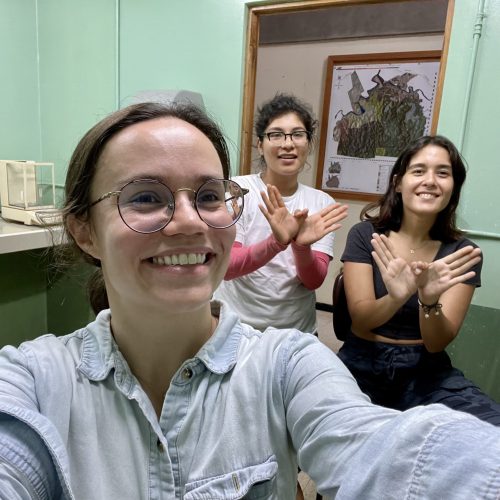
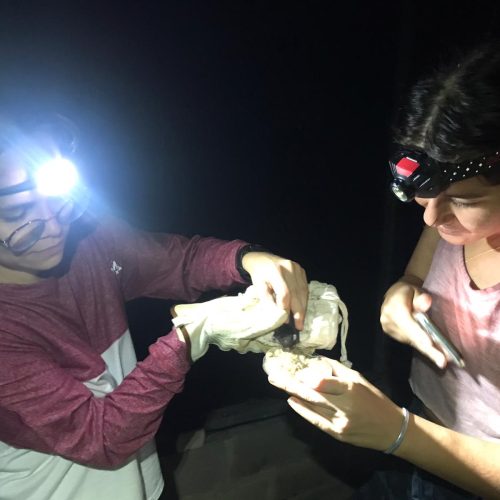
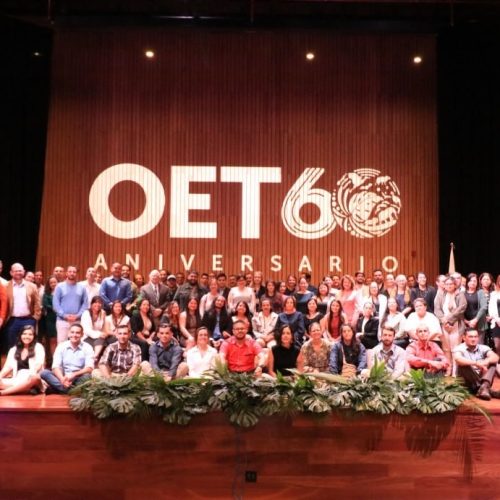
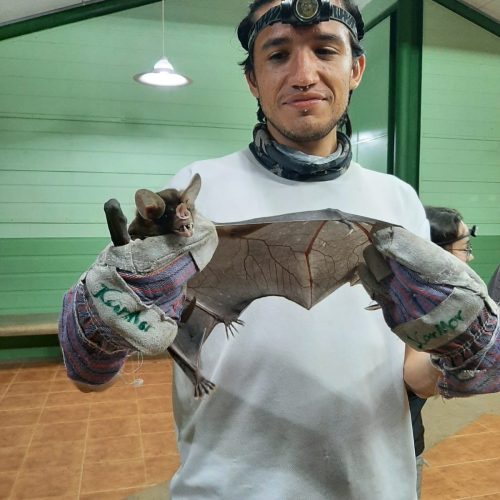
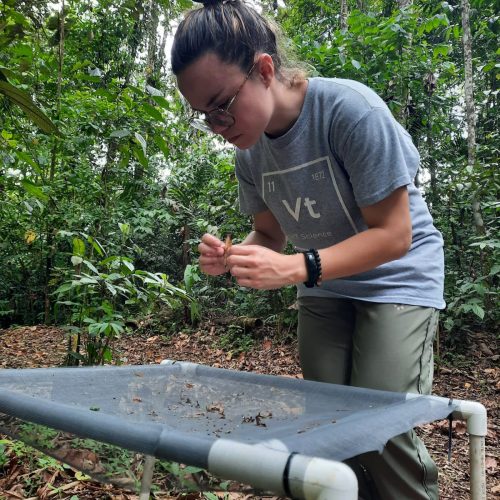
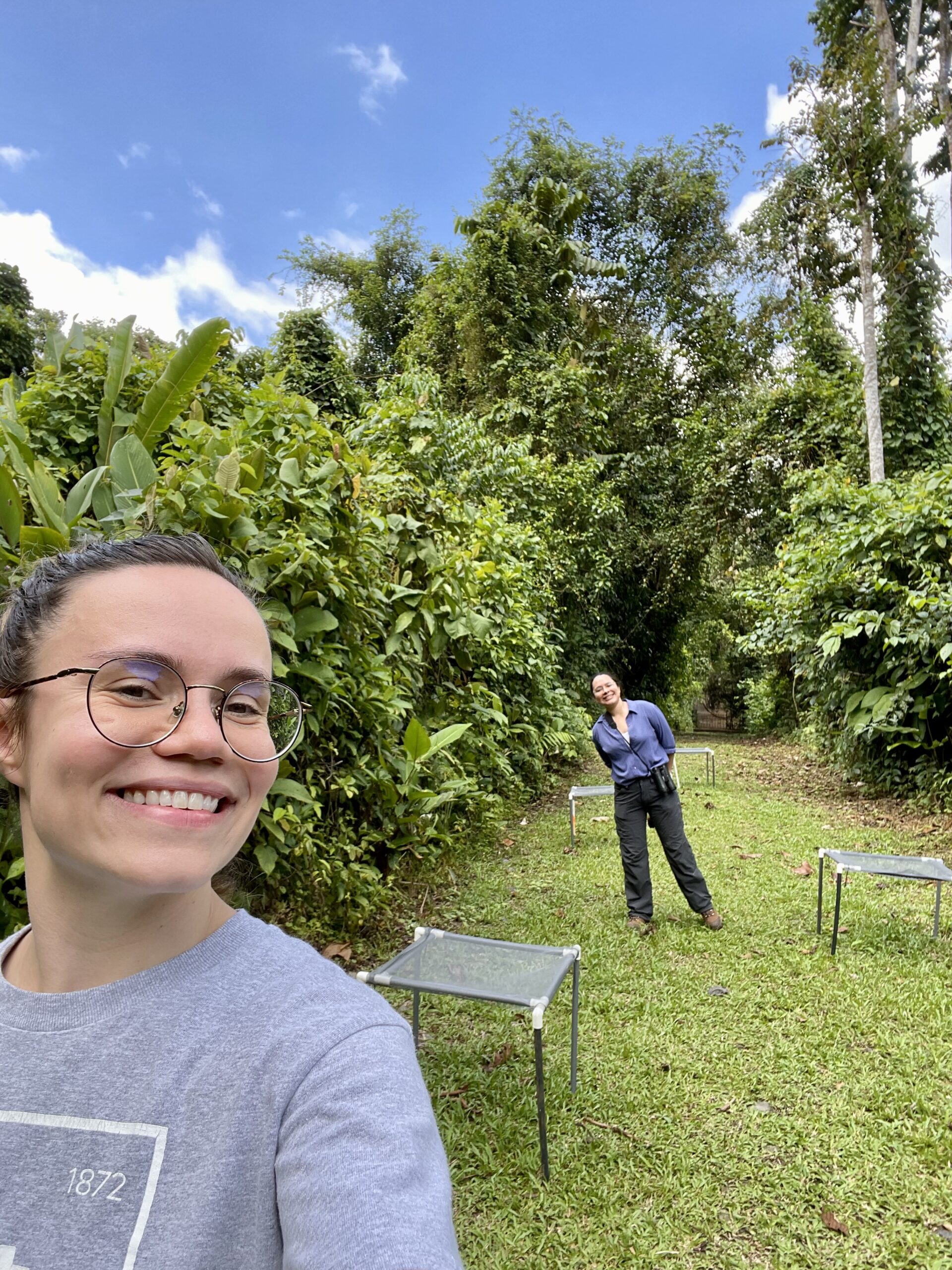
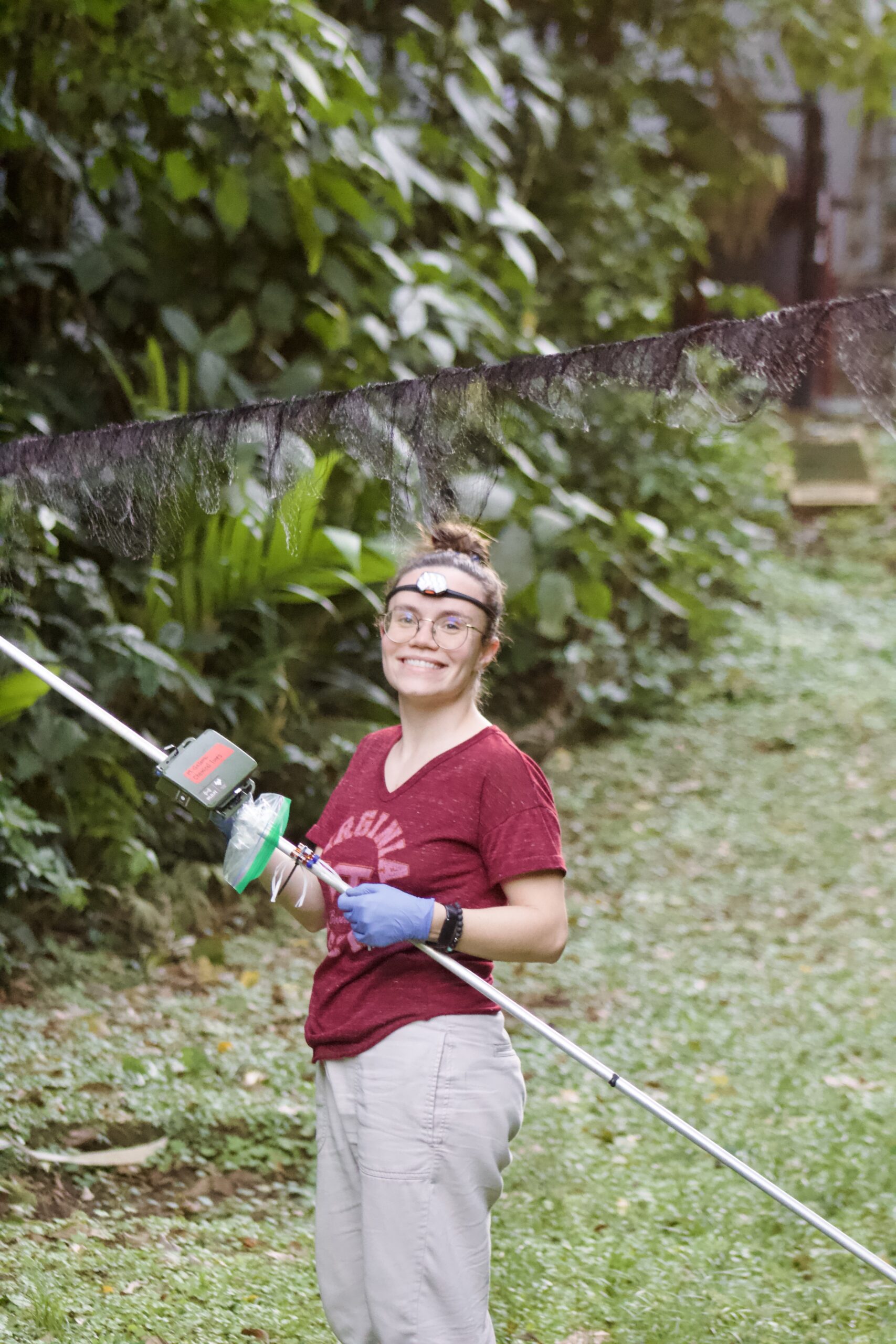
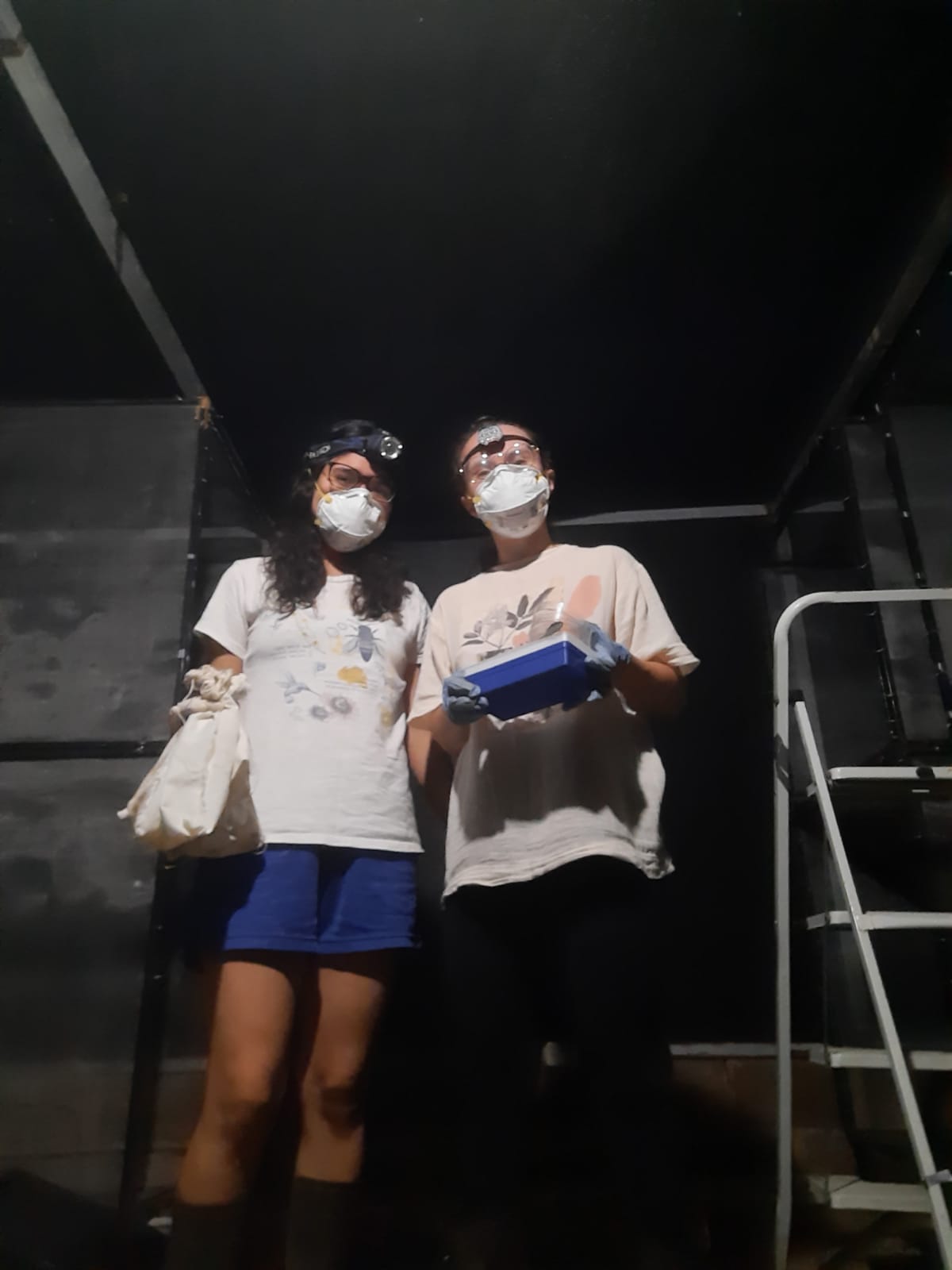
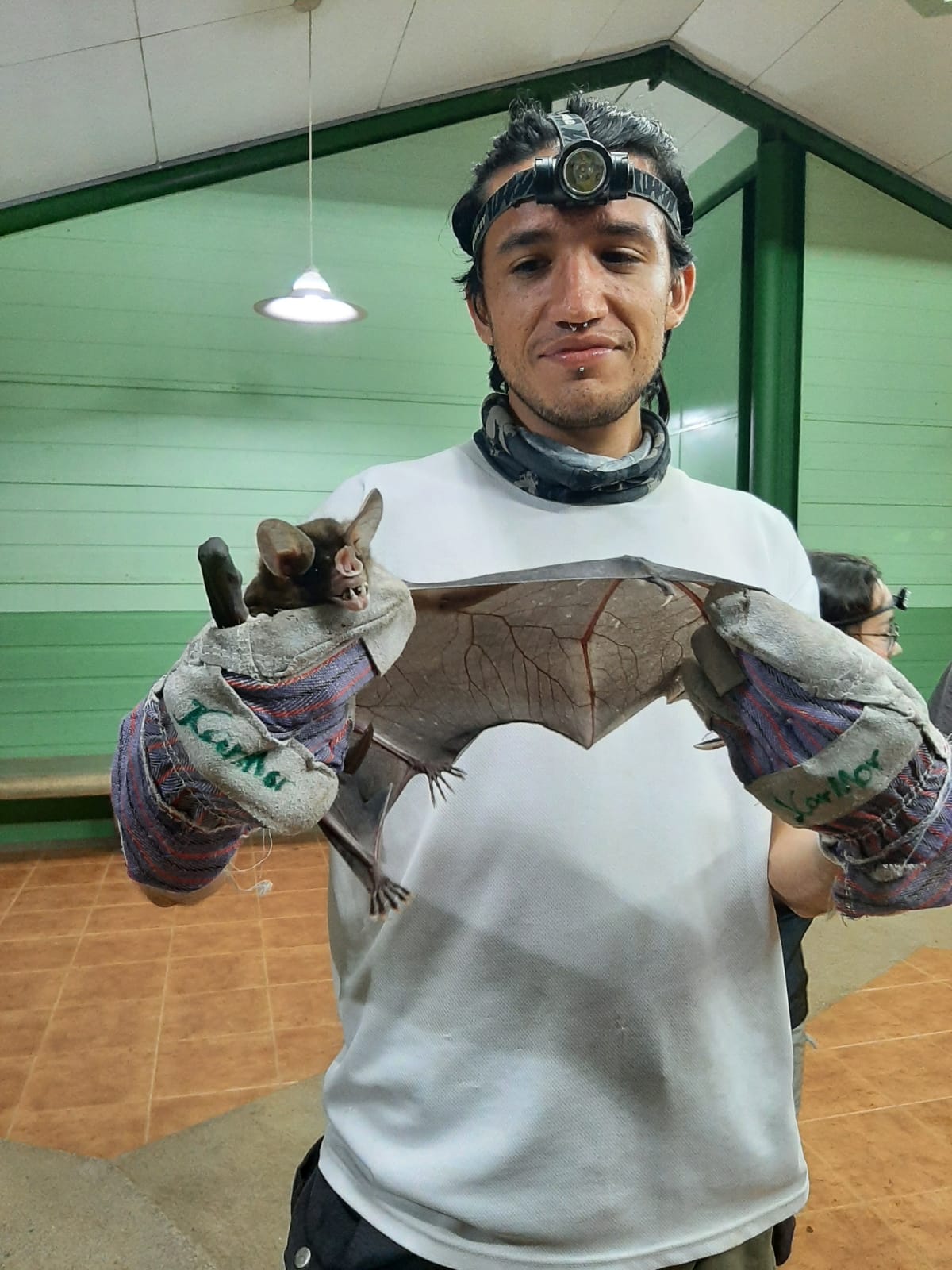
I have also mentored students in field settings in Costa Rica, where I trained them in bat handling, behavioral experiments, and field research methods. I had the wonderful opportunity to serve as a mentor in an REU program in Costa Rica, where students investigated how nutrients and fruit secondary metabolites affect ecological interactions involving mutualists (bats) and antagonists (insects and fungi). I wrote a little about that summer in our blog.
Additionally, during my postdoc and Ph.D., I have mentored several undergraduates in lab skills.
I am particularly interested in teaching R and helping students become more confident with data analysis. I love helping students realize that coding and statistics are powerful and very fun. I am always trying to improve my own R skills.
Outreach
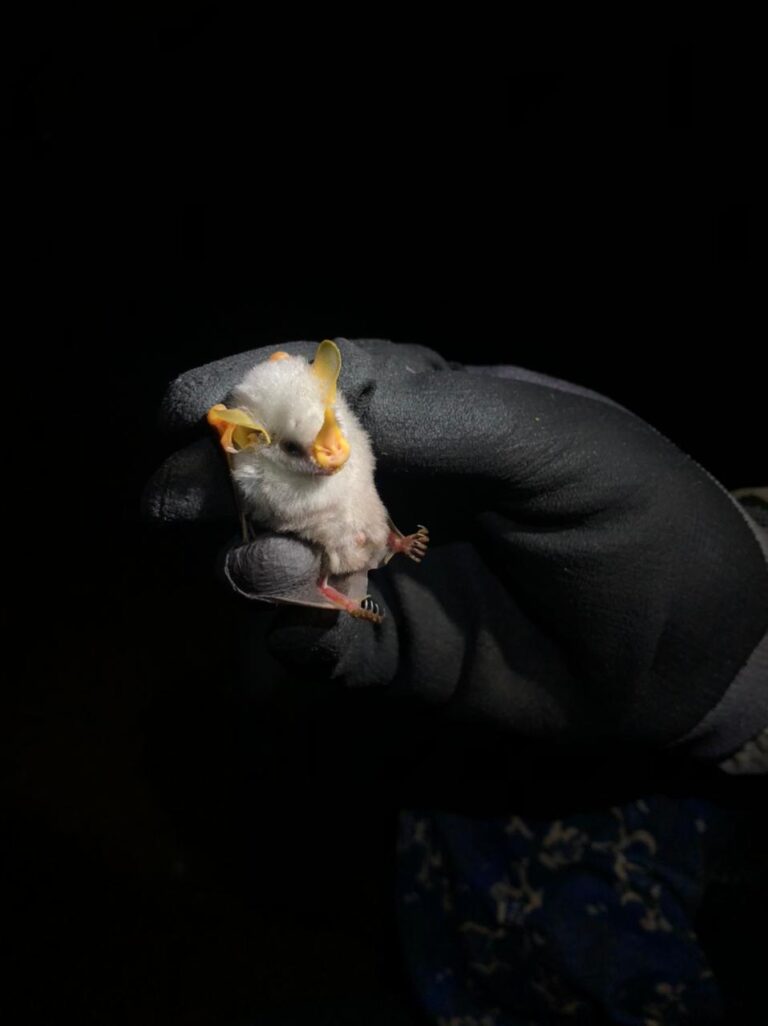
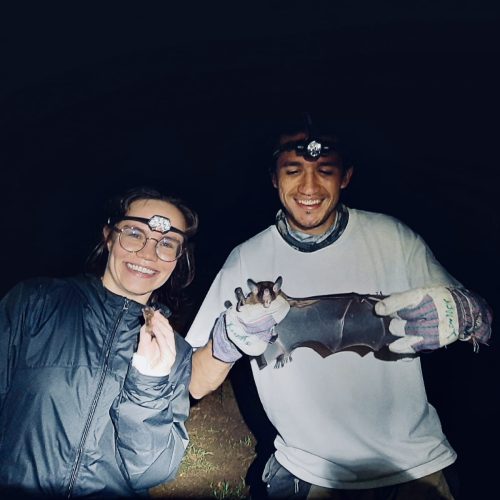
As a scientist, one of my goals is to help change the way people perceive bats. They are often misunderstood as scary, dirty, or troublesome pests, when in reality they are beautiful animals that play critical roles in ecosystems as pollinators, seed dispersers, and insect predators. We should not be afraid of bats. We should be much more afraid of a world without them.
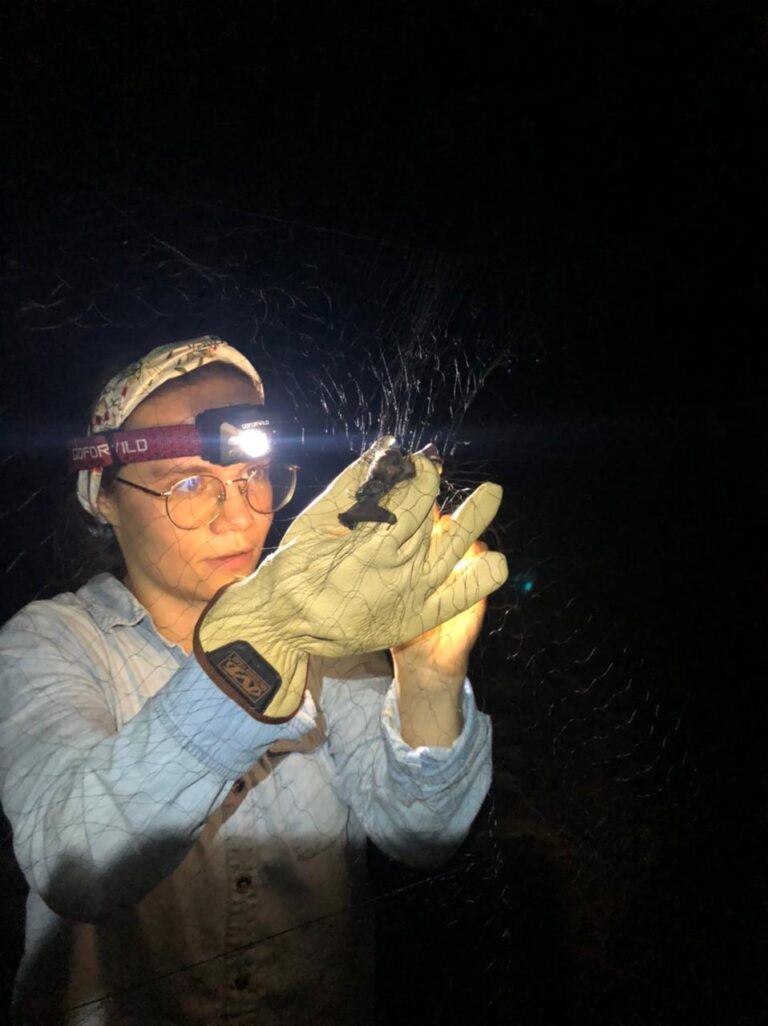
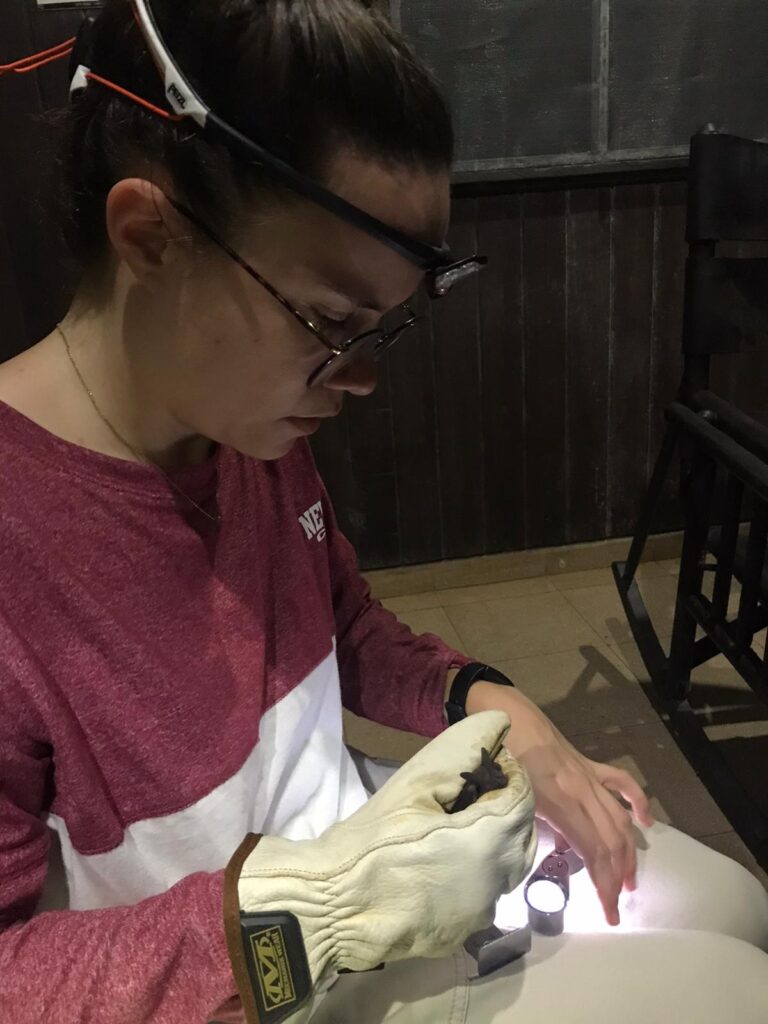
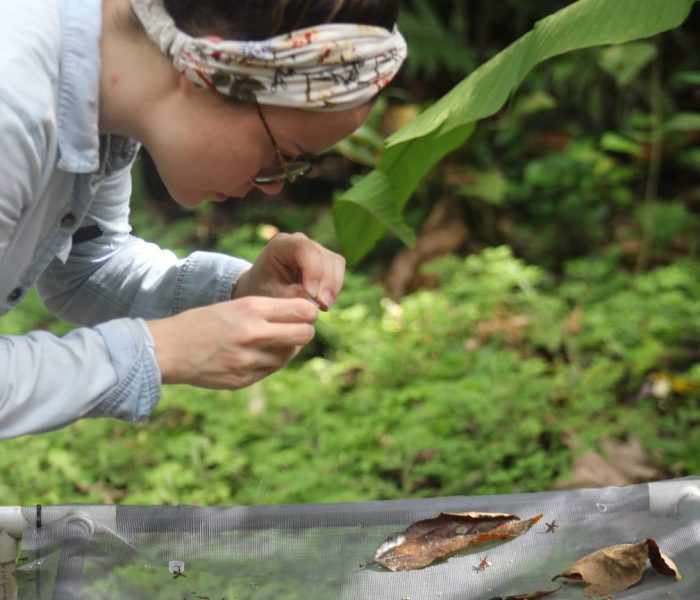
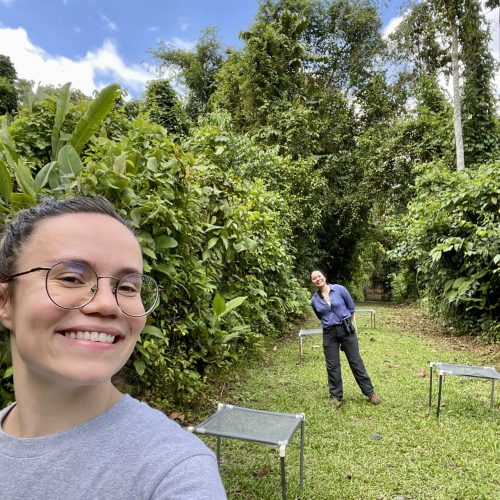
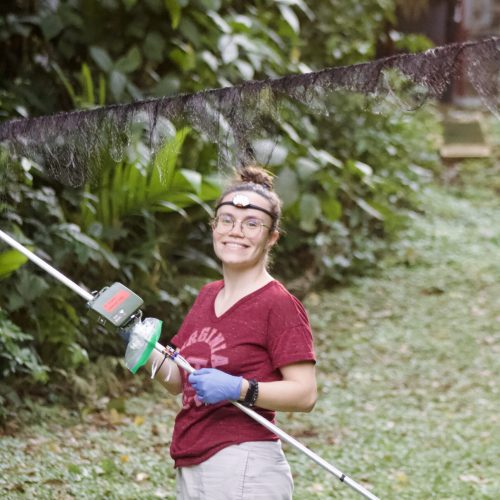
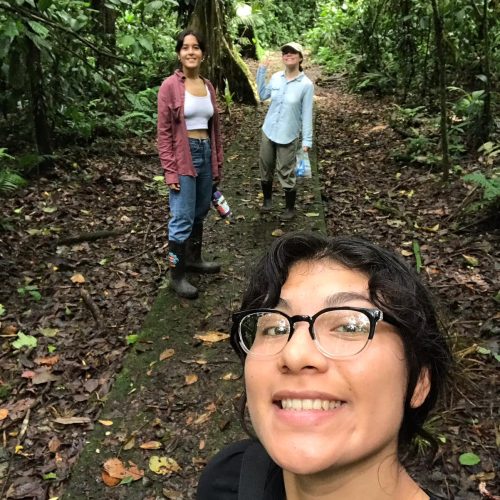
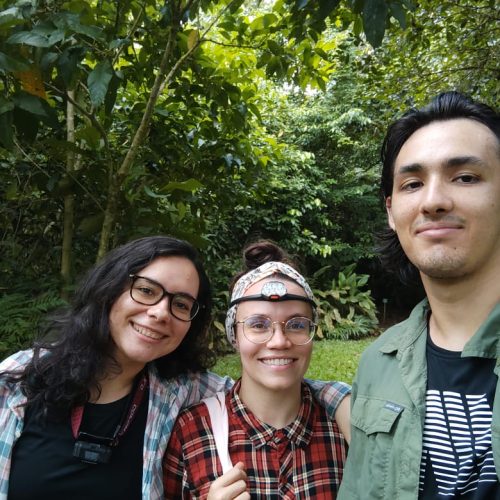
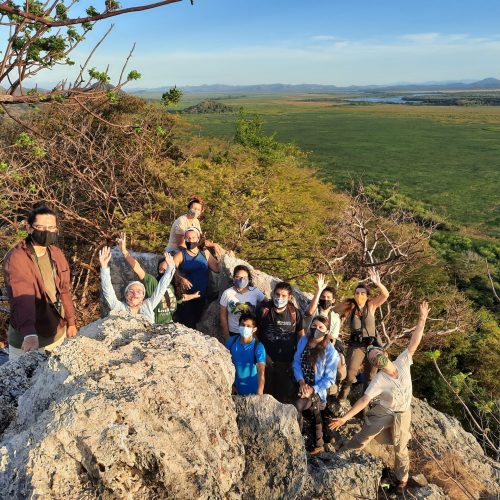
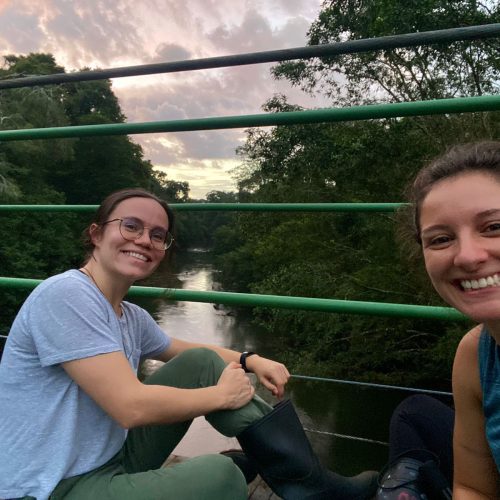
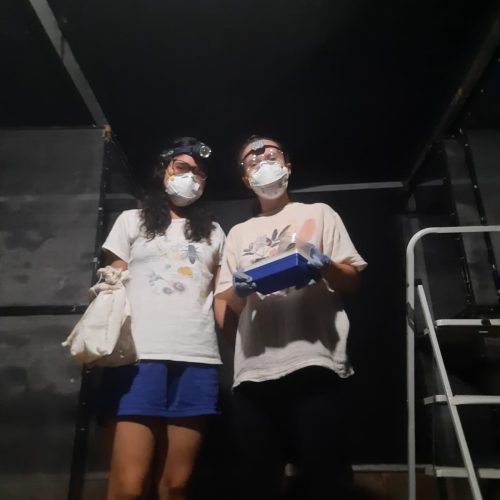
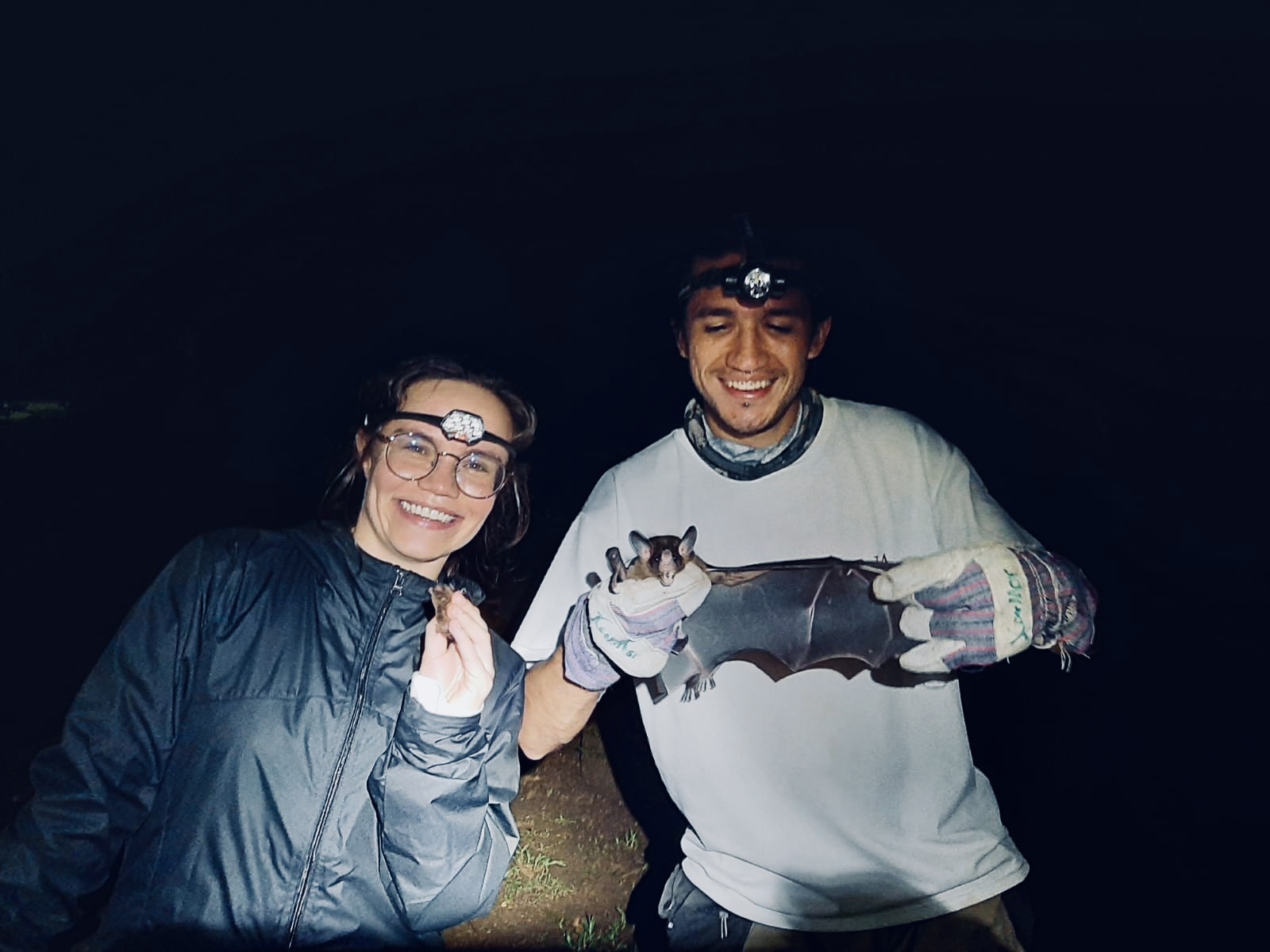
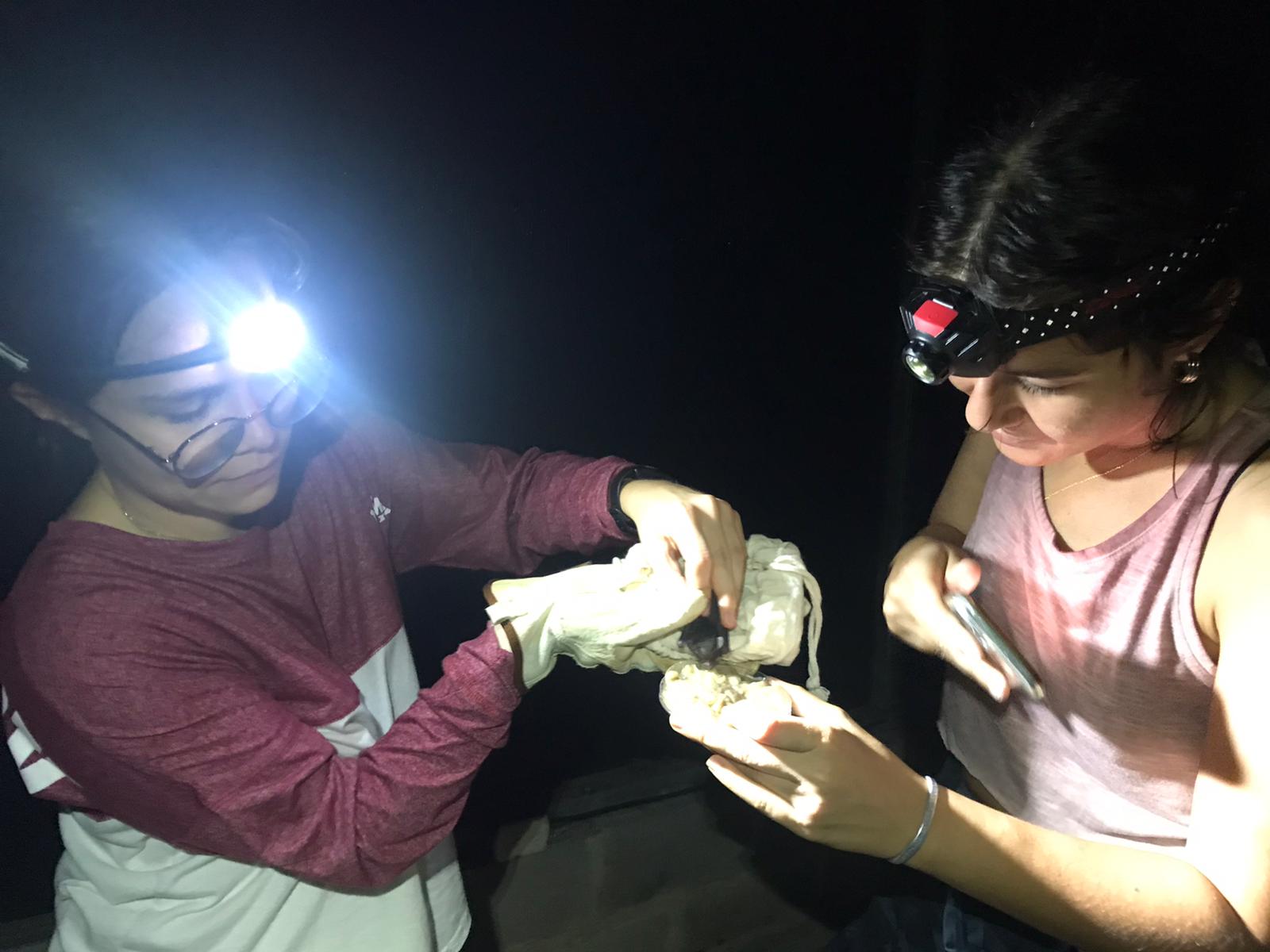
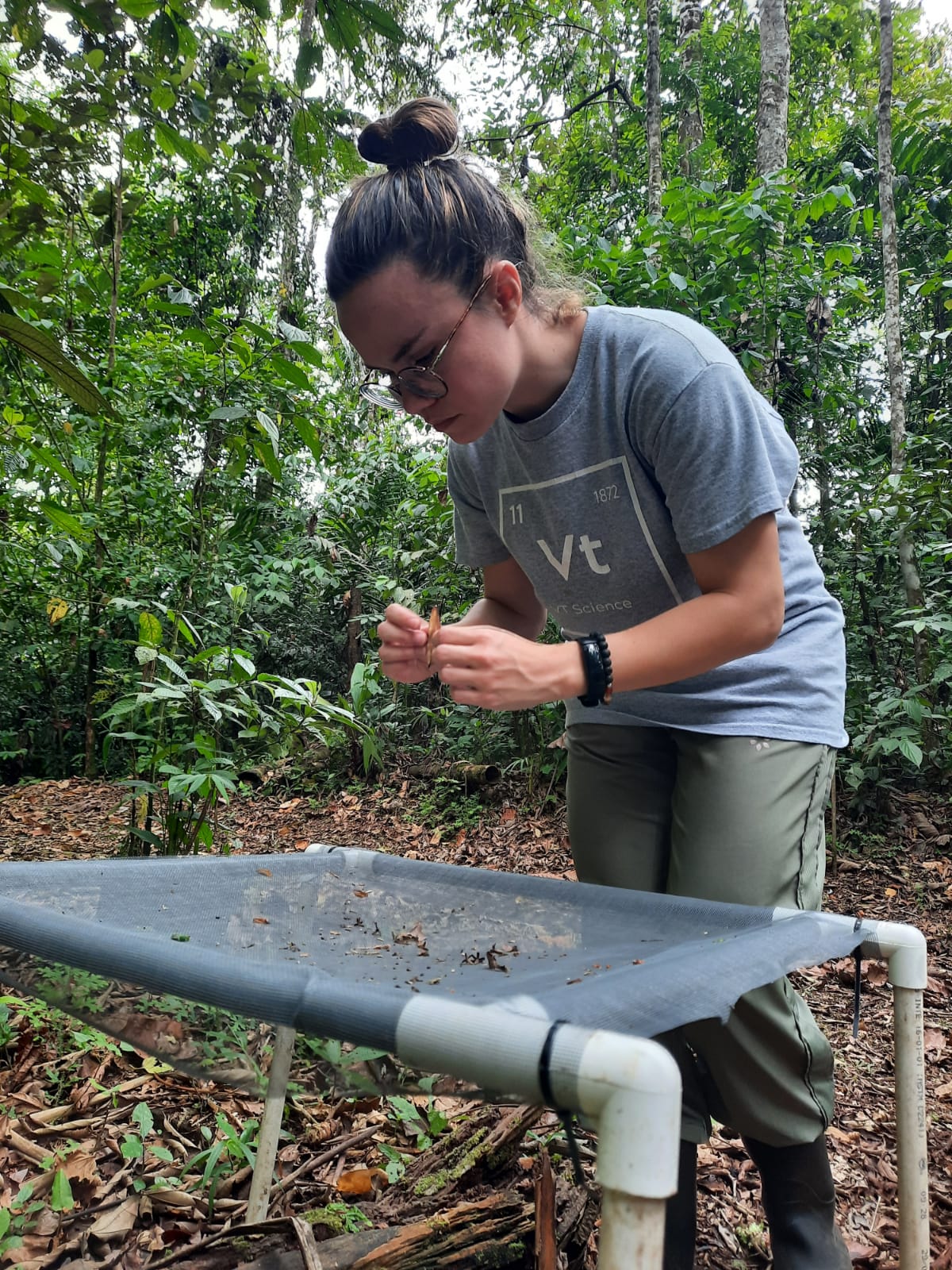
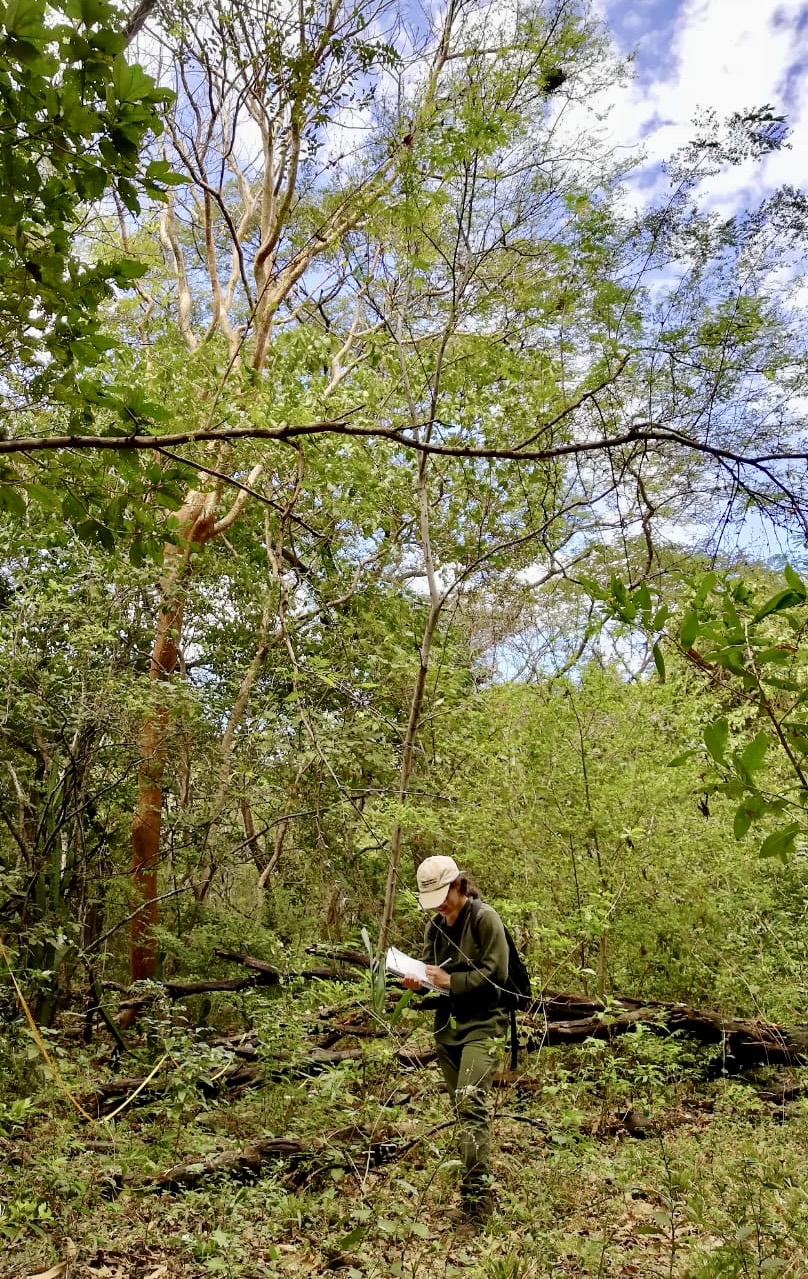
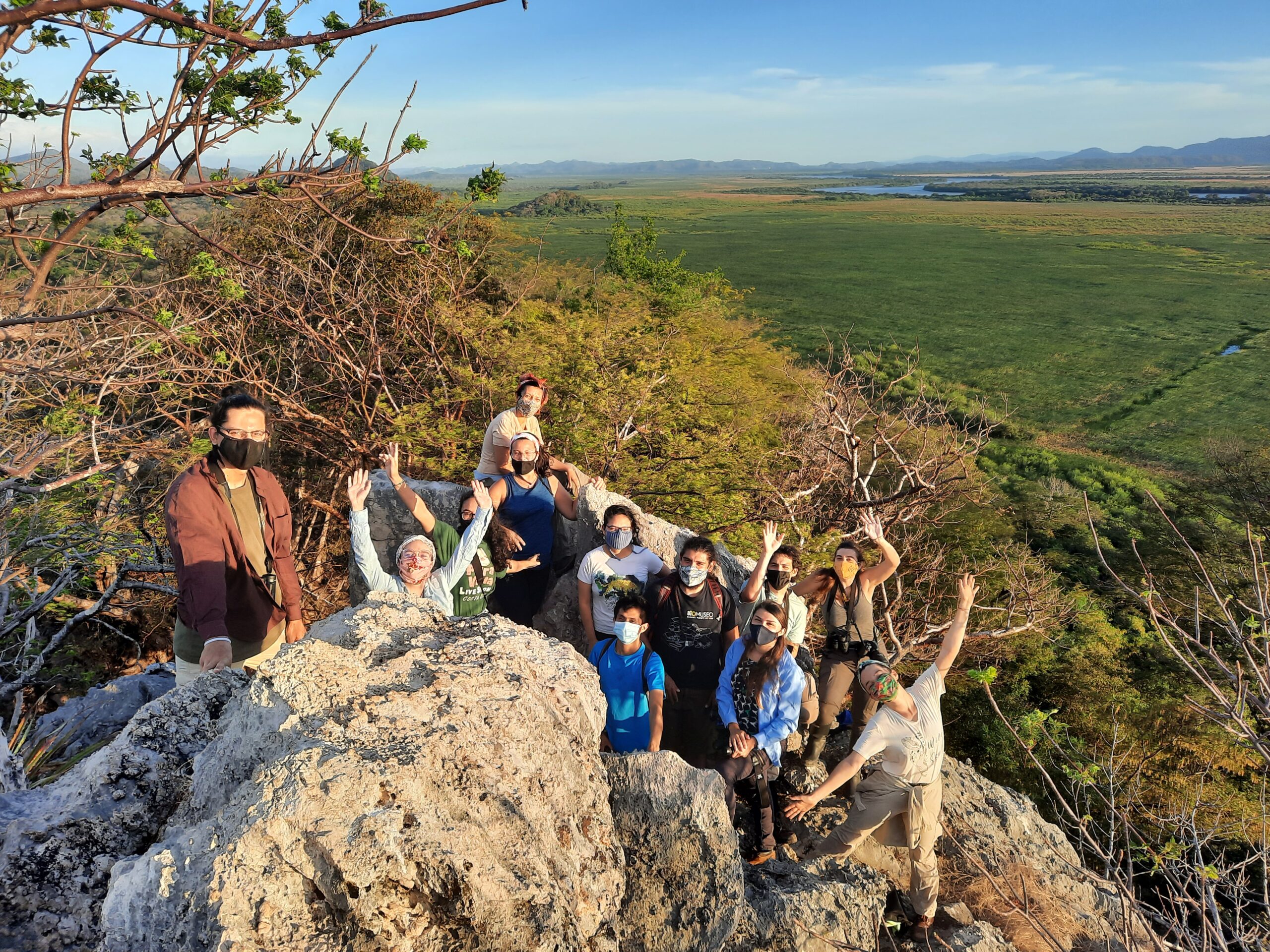
Fieldwork in action!
Spotted lanternfly
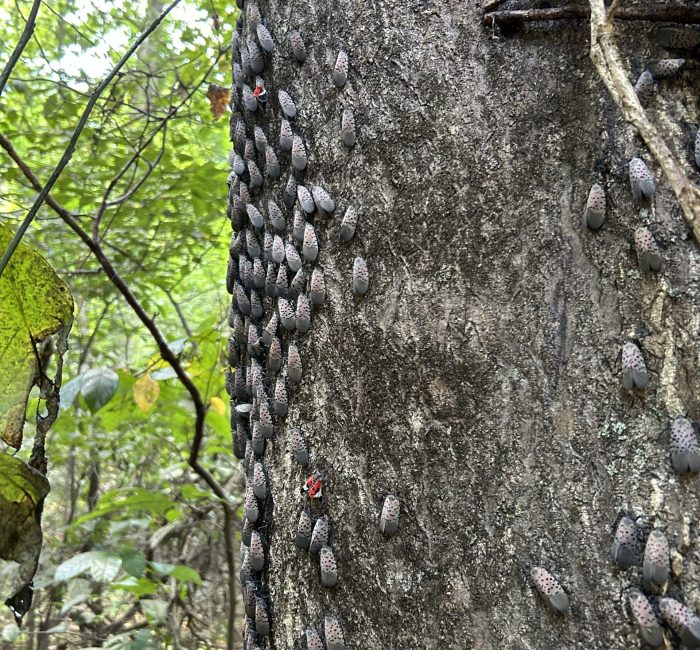
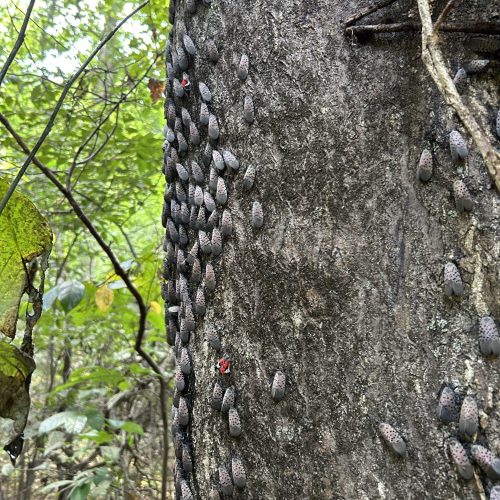
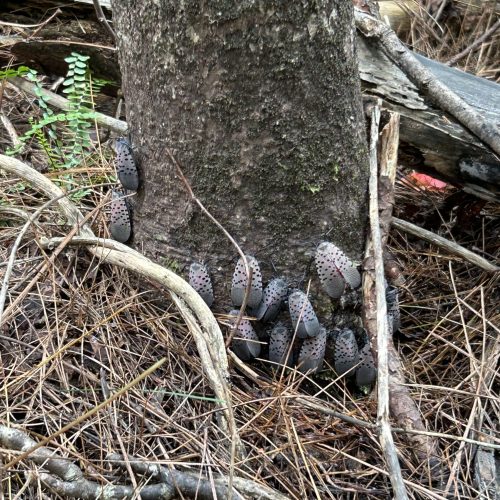
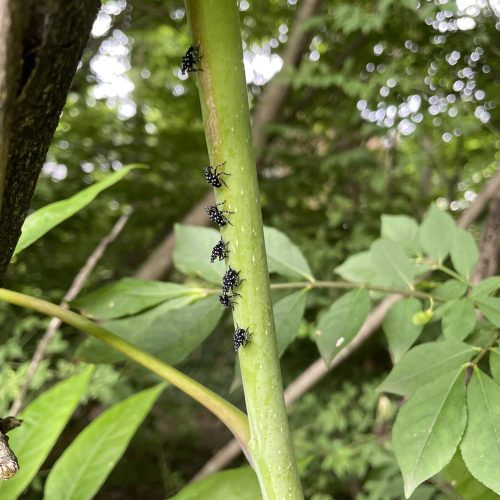
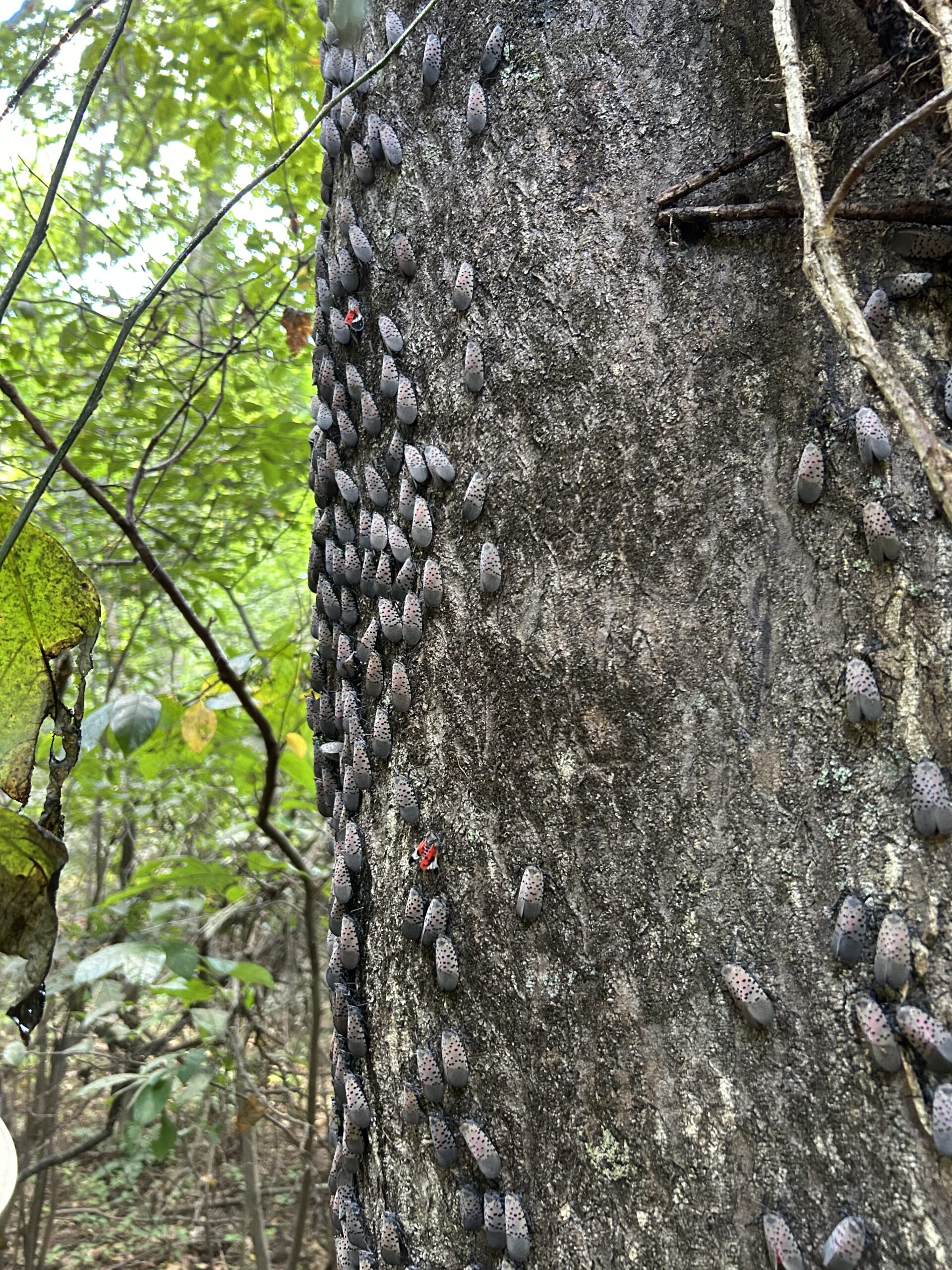
The area where I live, Montgomery County, Virginia, has become heavily infested with spotted lanternfly, as have many other parts of the United States. In the summer of 2025, I stood beneath a large tree of heaven and listened to the insects’ honeydew rain, sticky, heavy, and constant, striking the leaves on the ground. I had never seen such a massive aggregation of insects before.
Chemical Ecology of Bat–Fruit Interactions
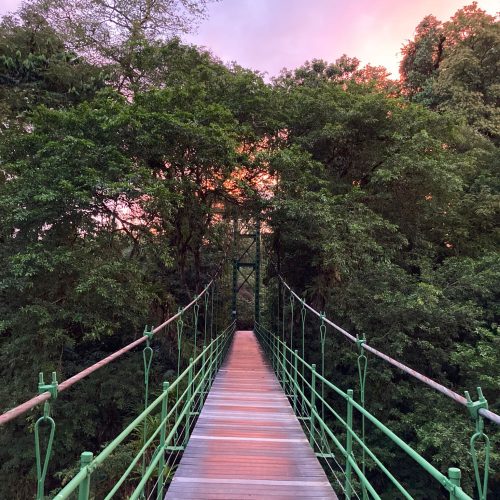
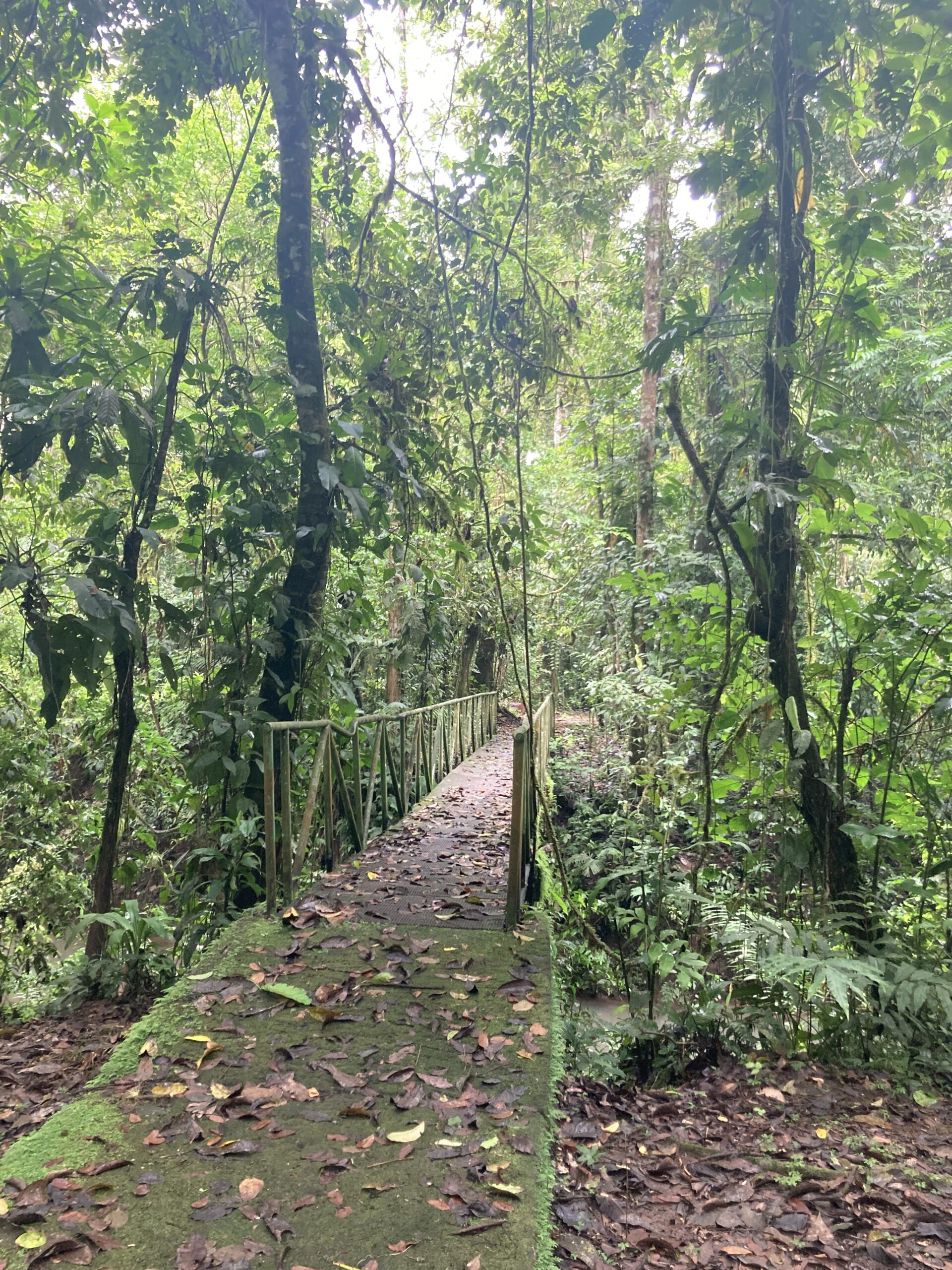
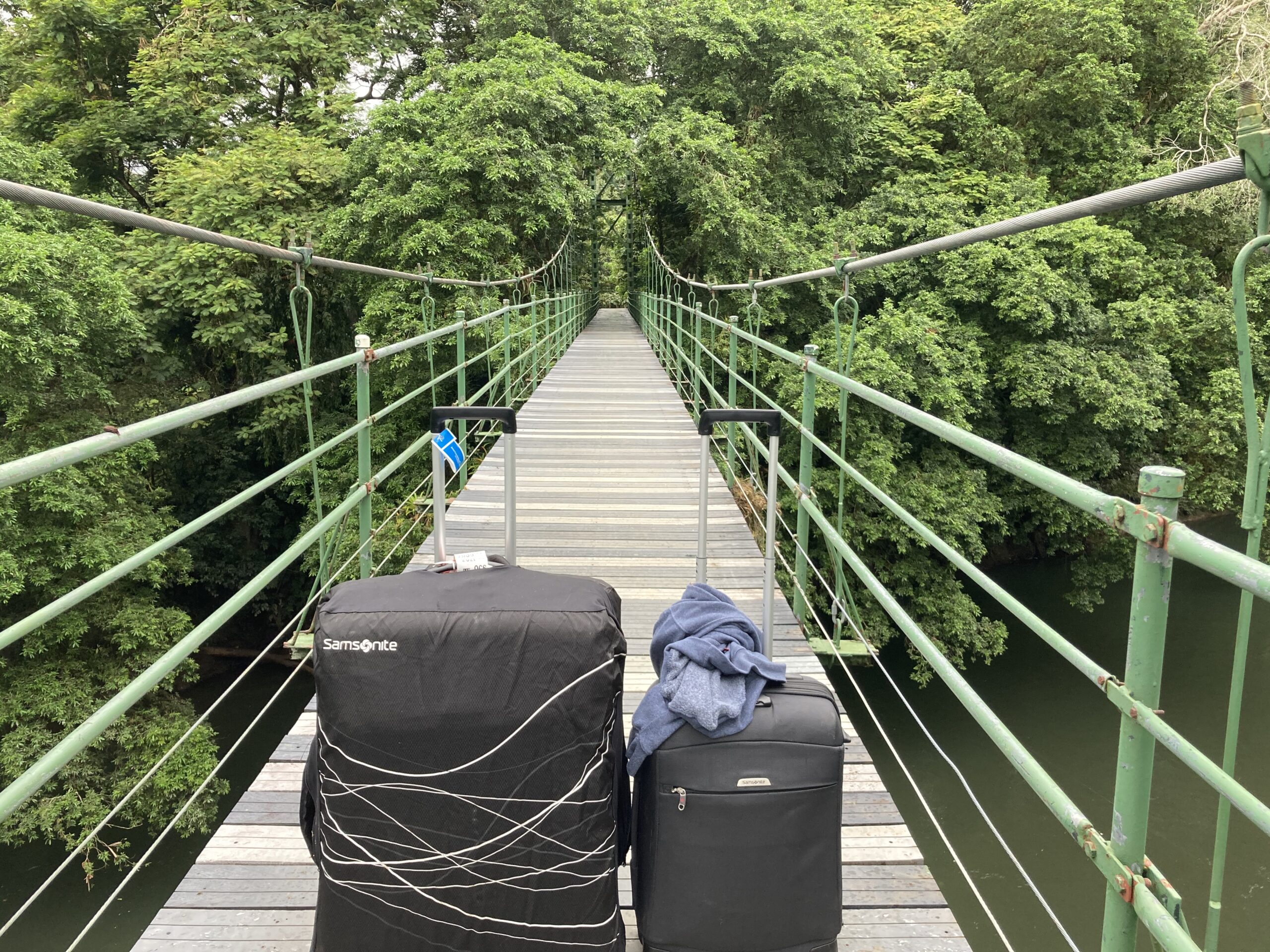
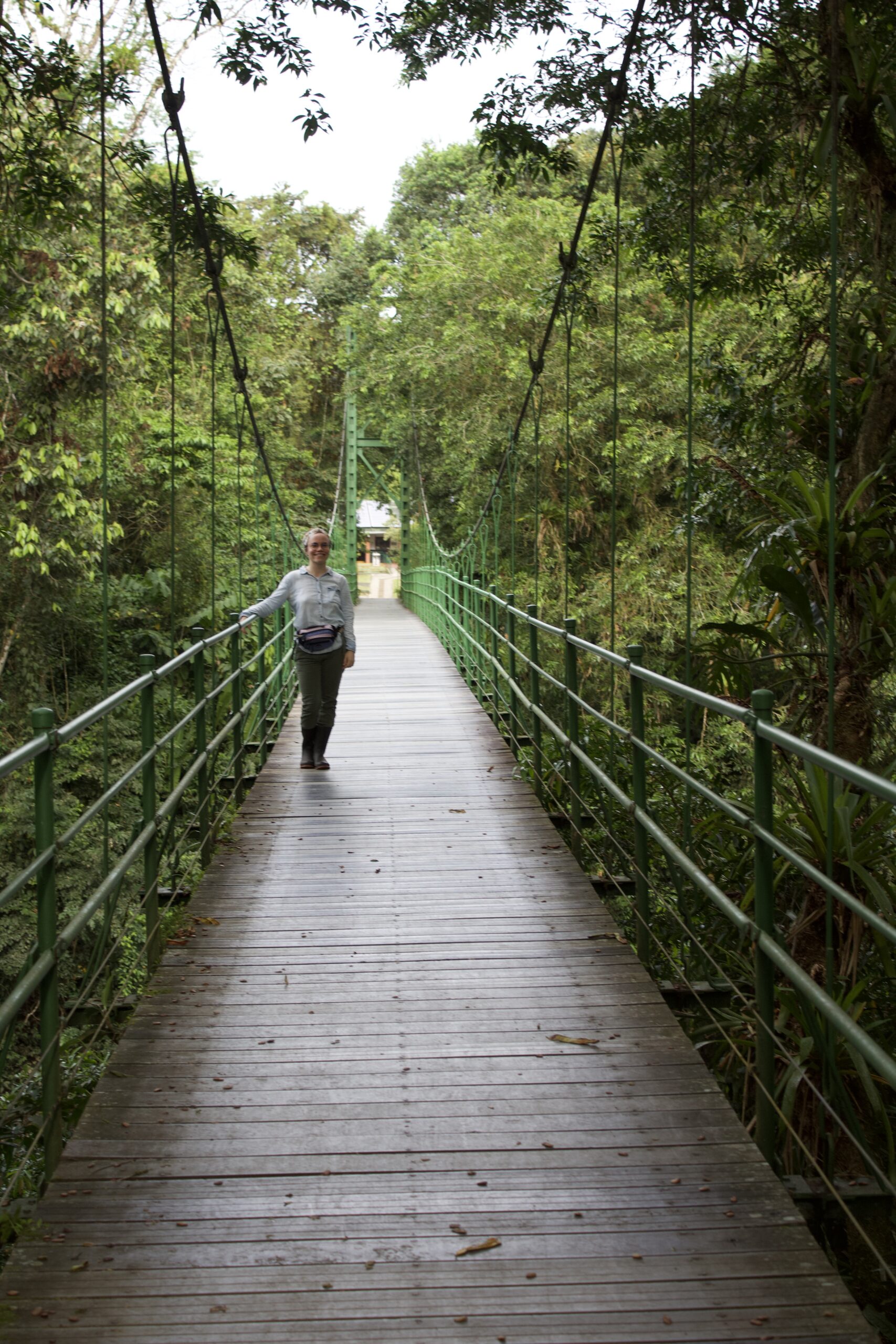
If I had no responsibilities and unlimited money, I would move to La Selva Biological Station in a heartbeat.
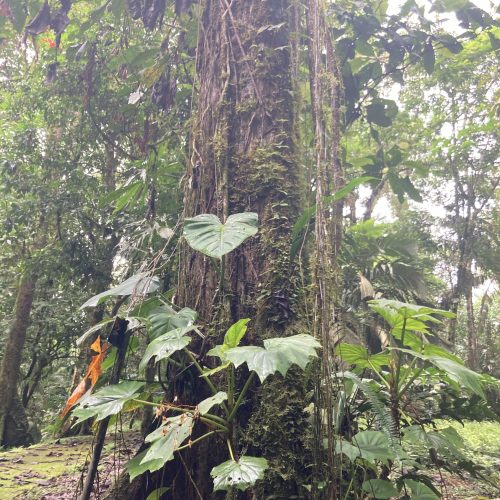
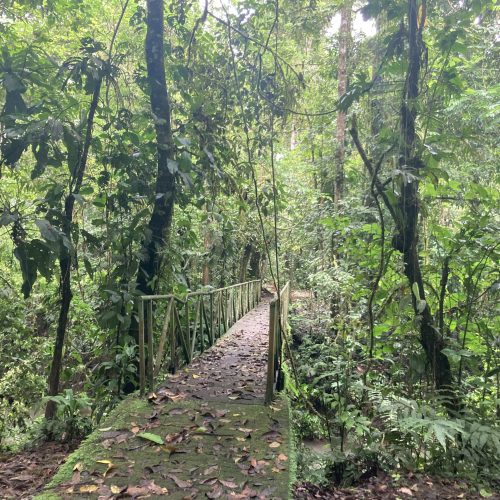
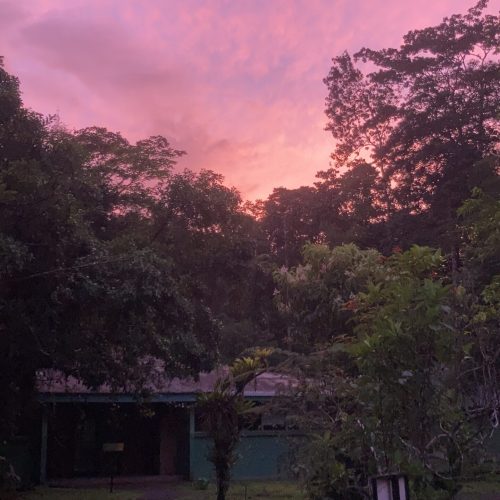
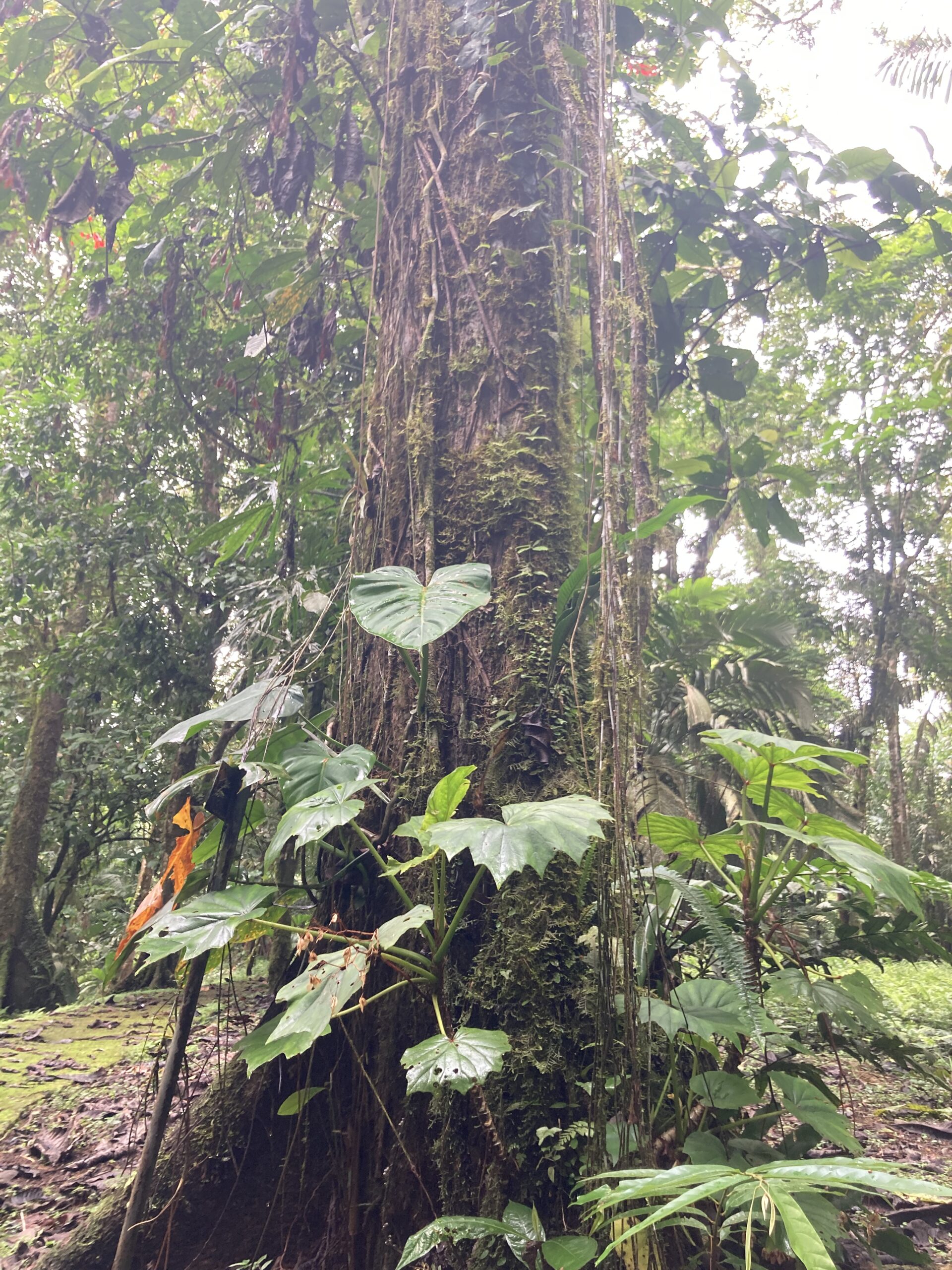
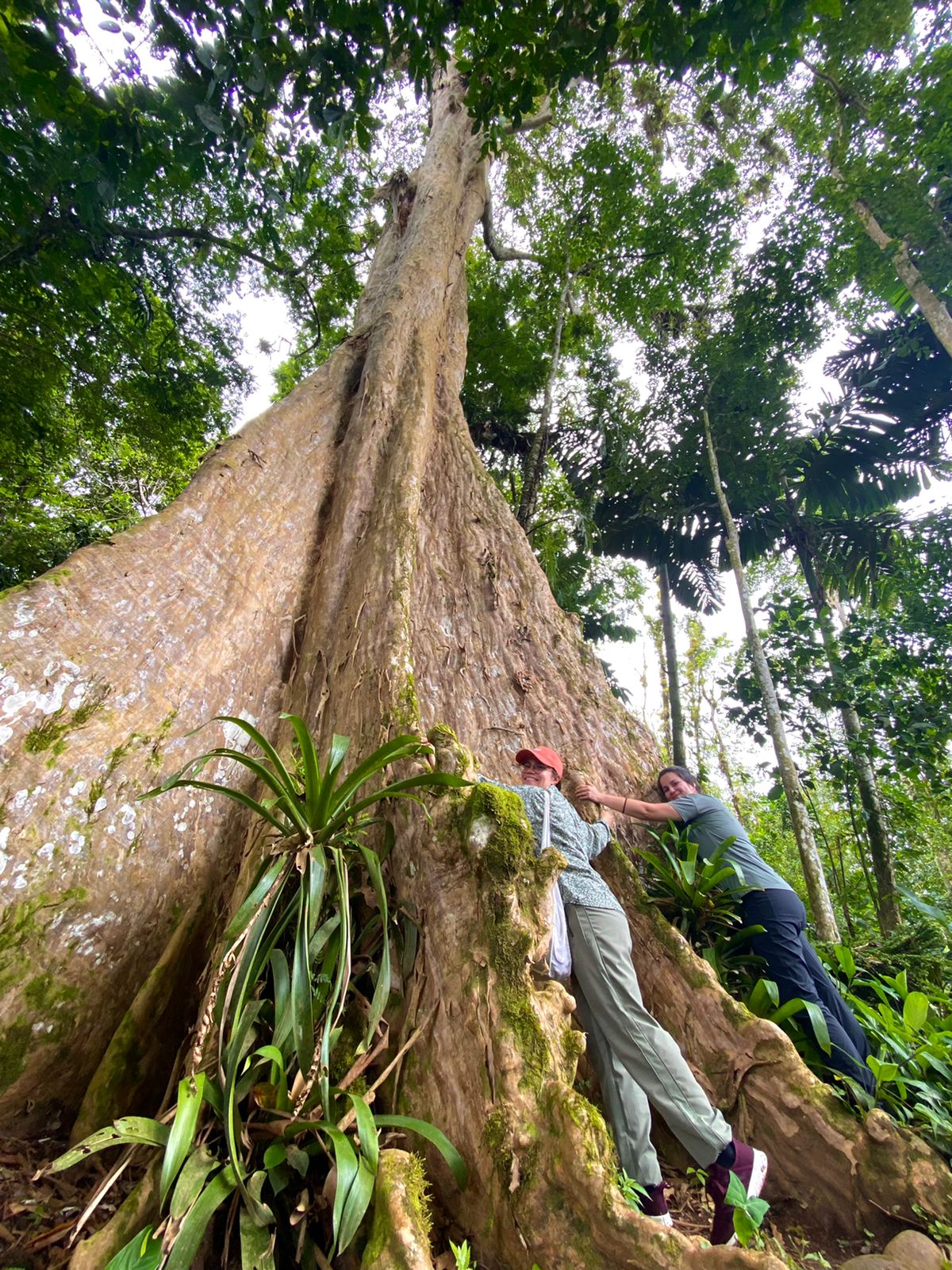
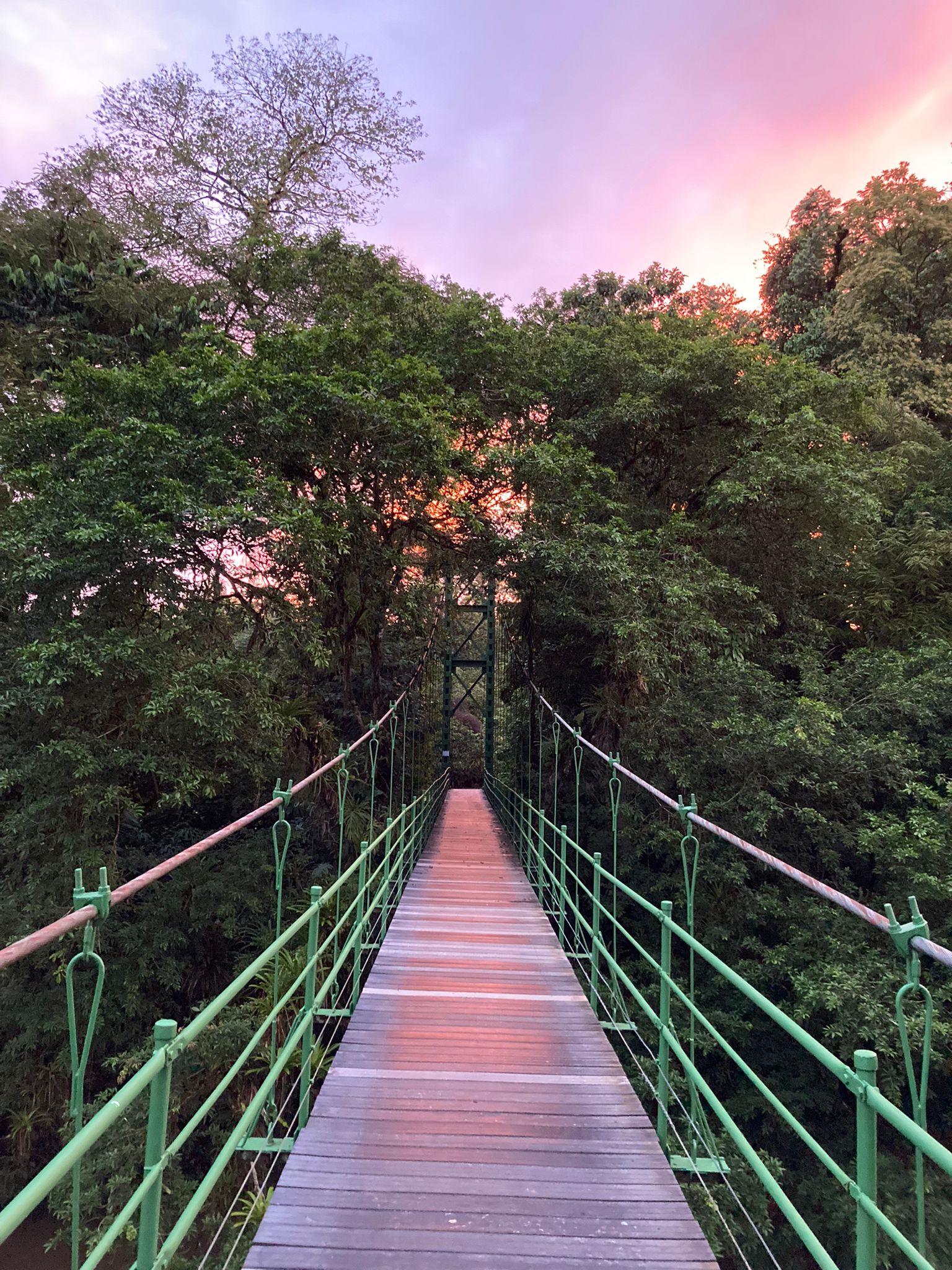
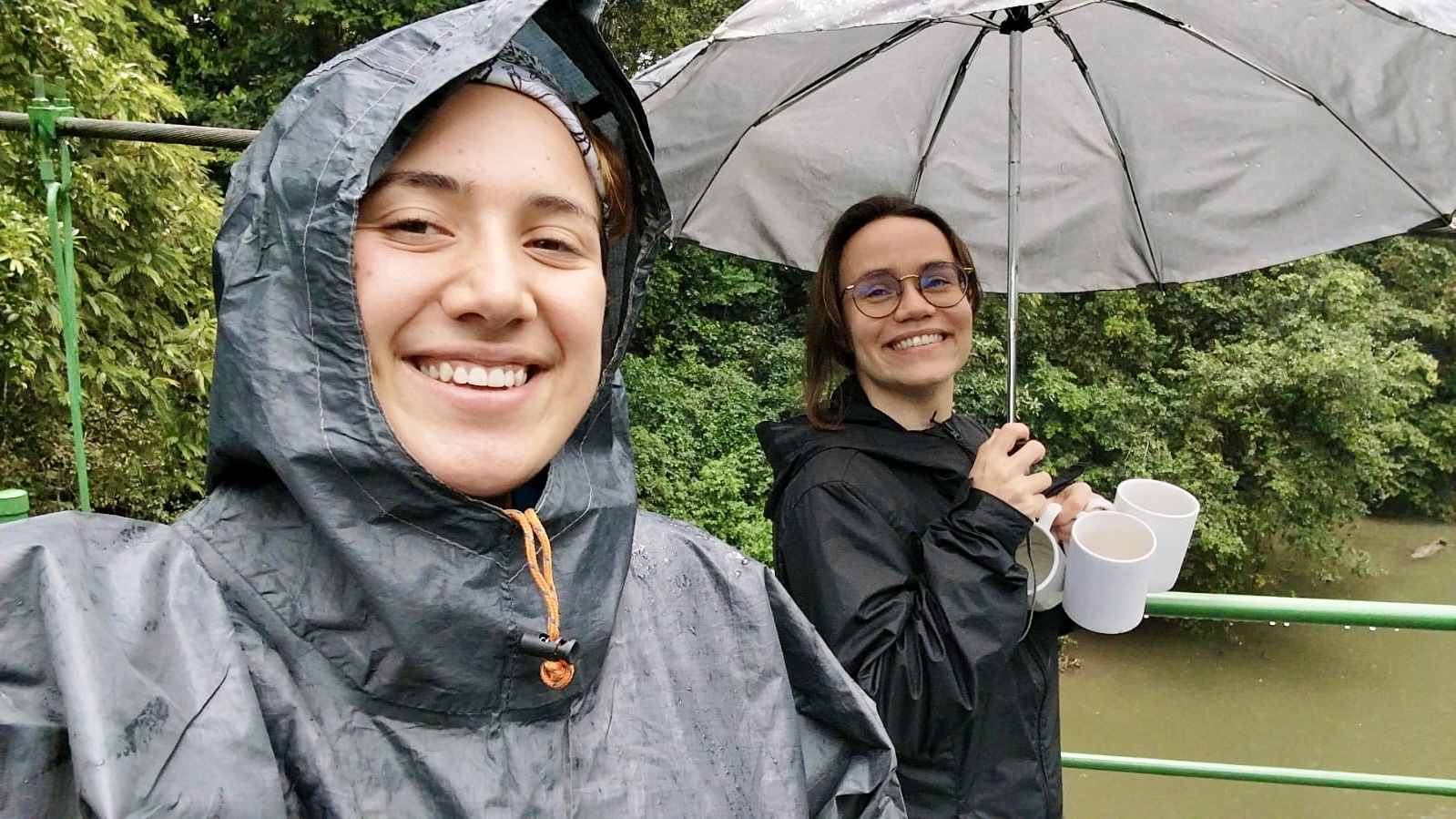
I fell wildly and fiercely in love with La Selva. It is humid, loud, alive, overwhelming, bizarre, and impossible to forget… and humid, very humid.
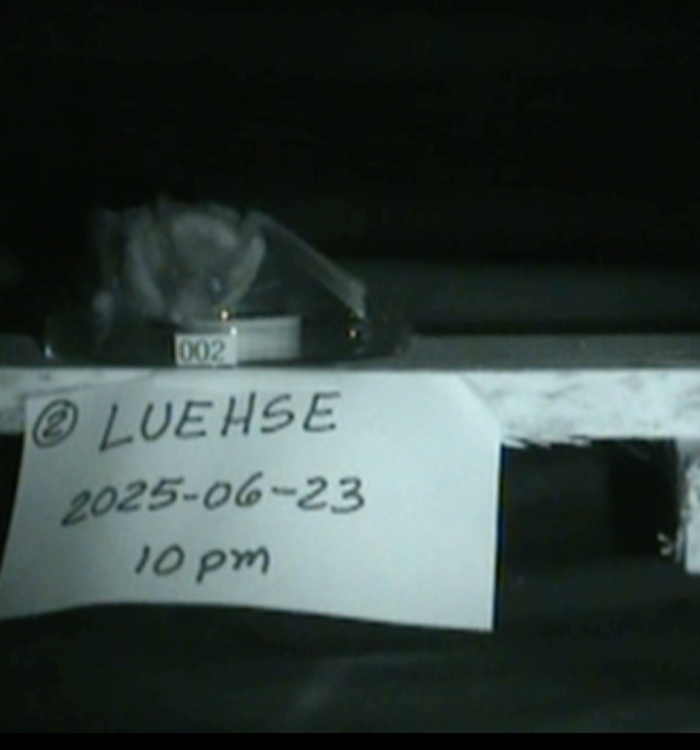
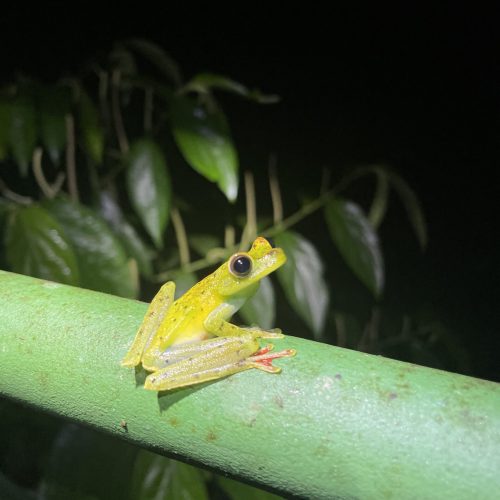
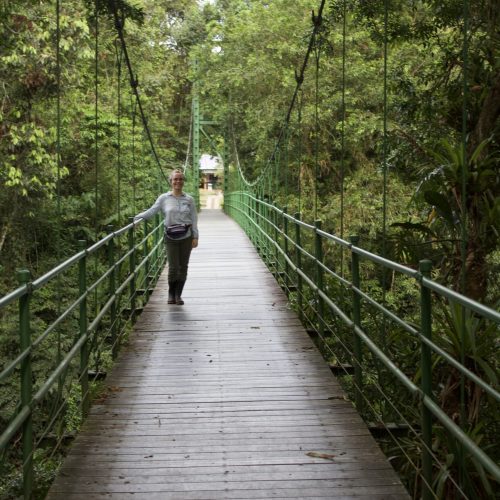
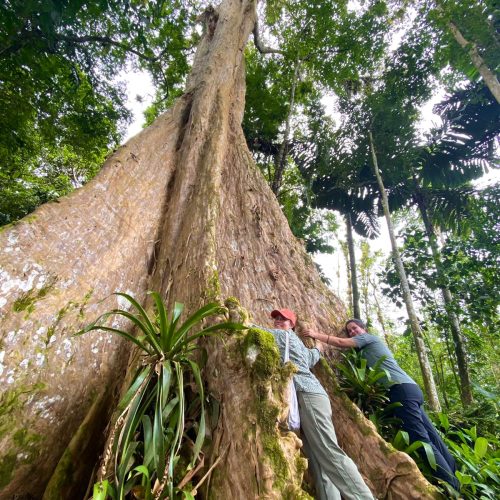
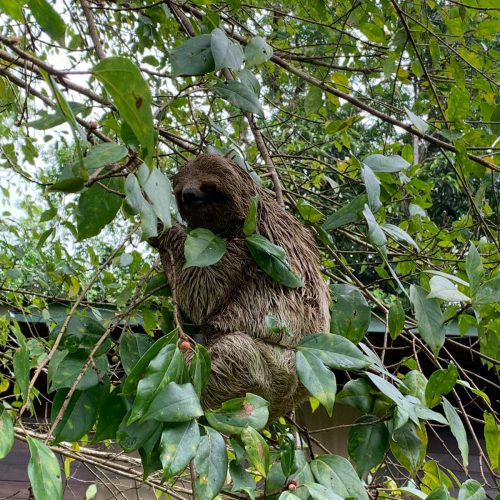
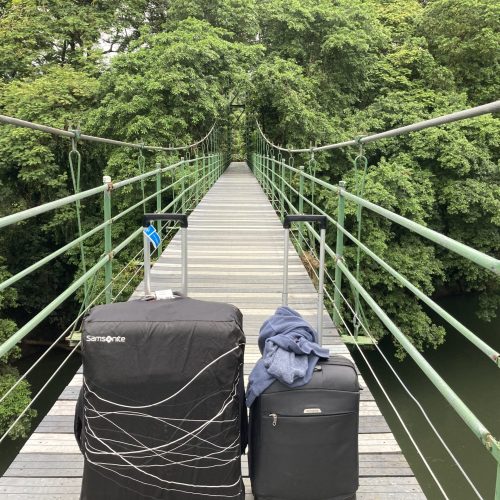
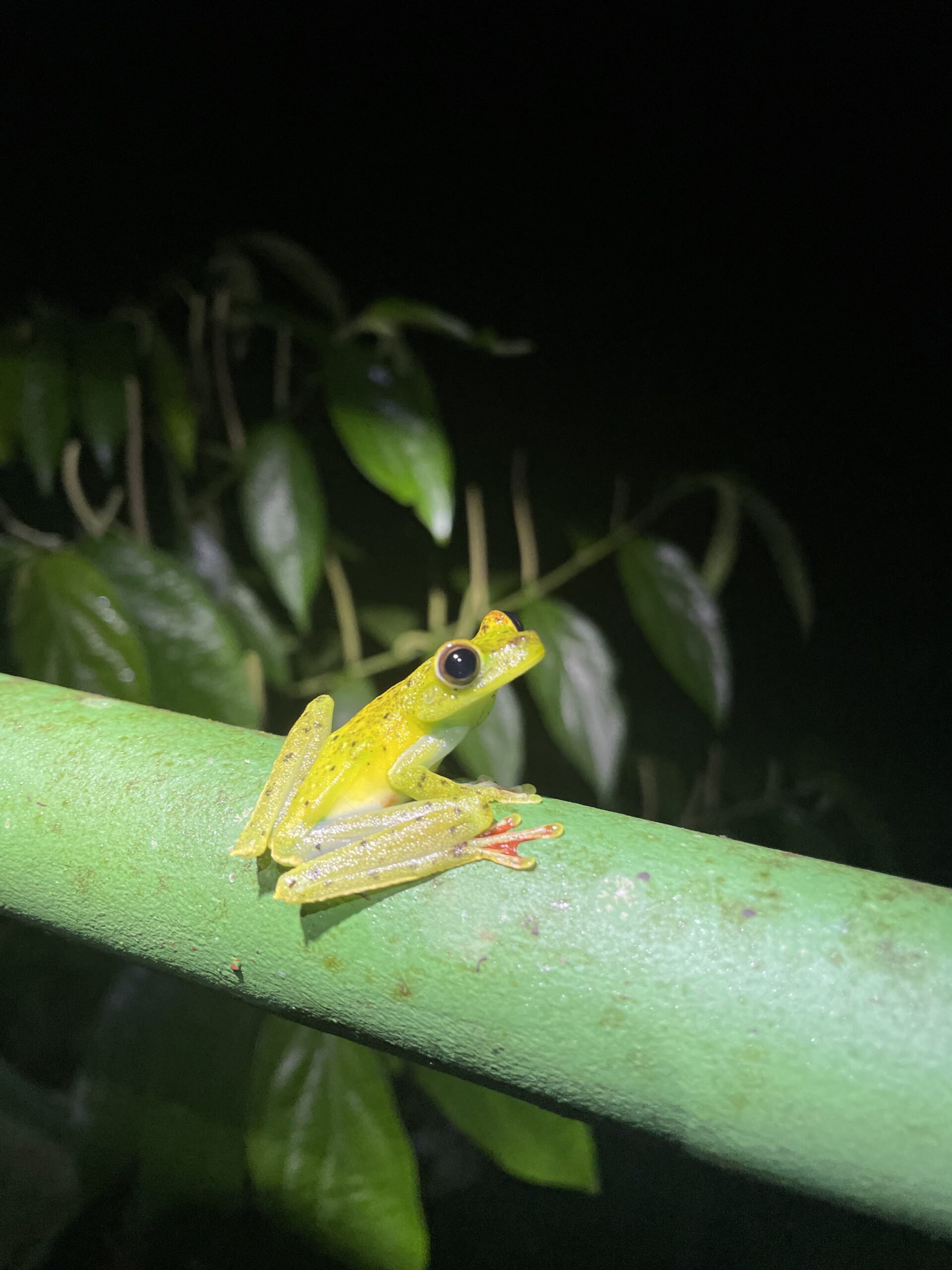
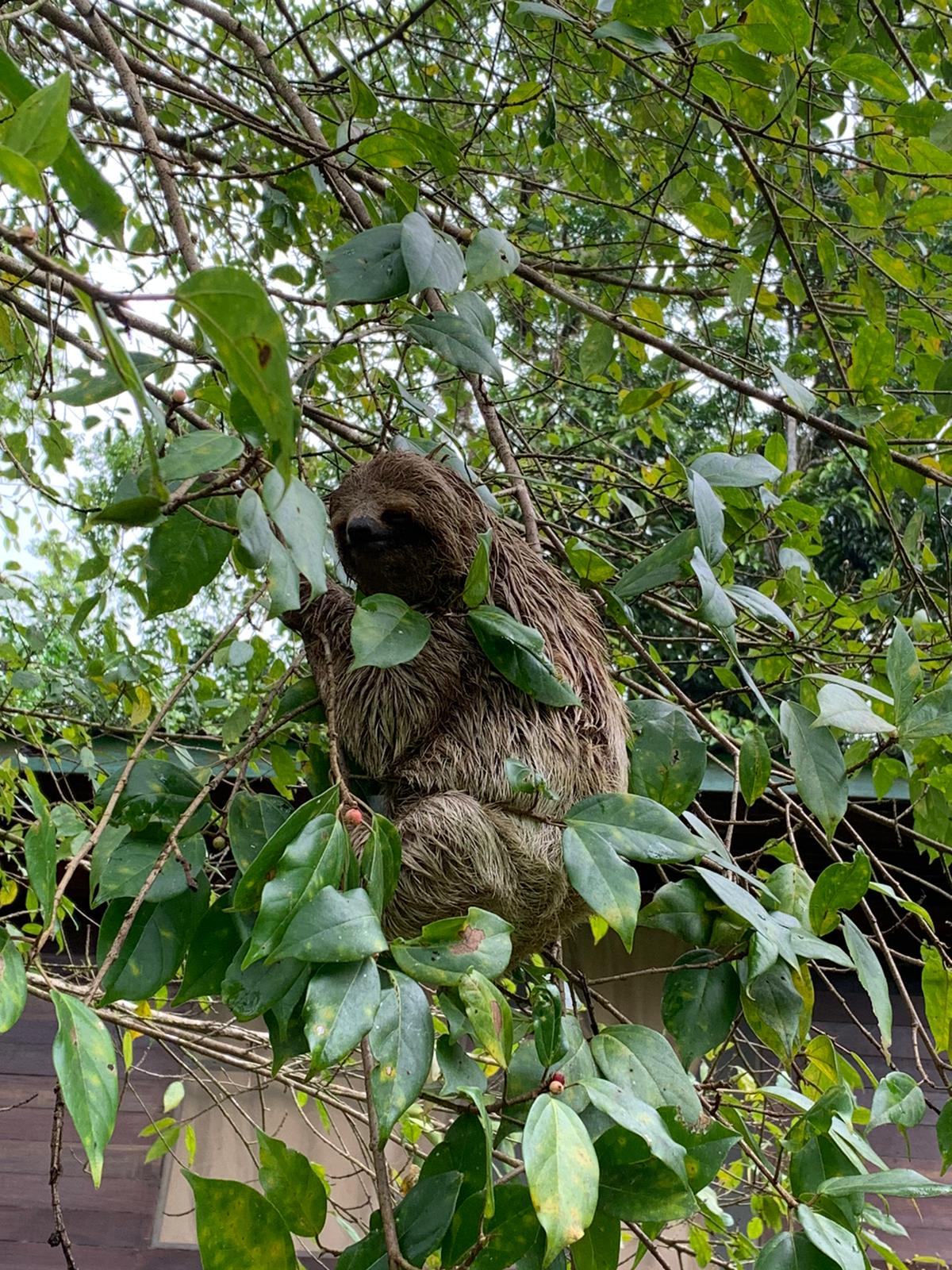
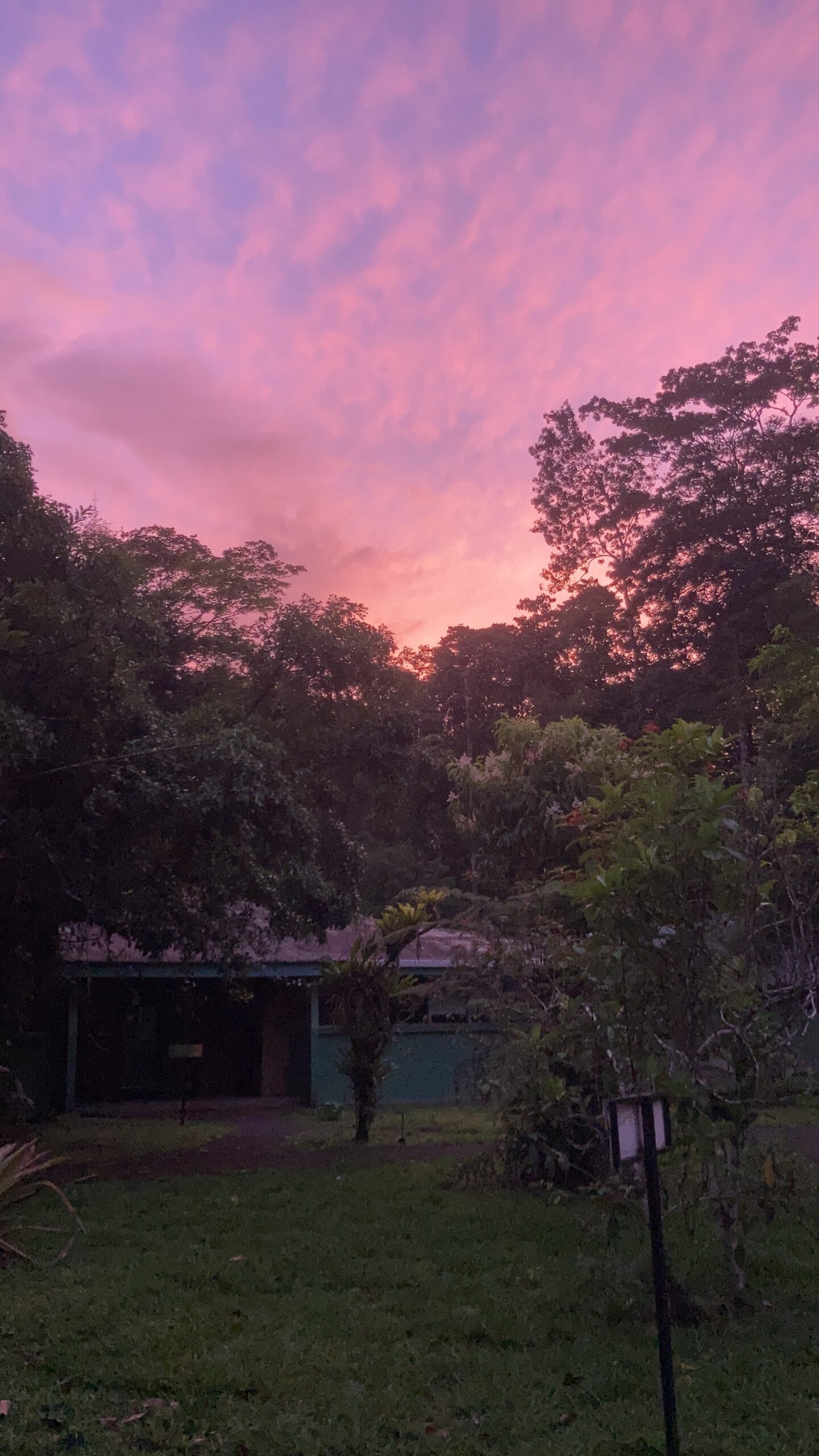
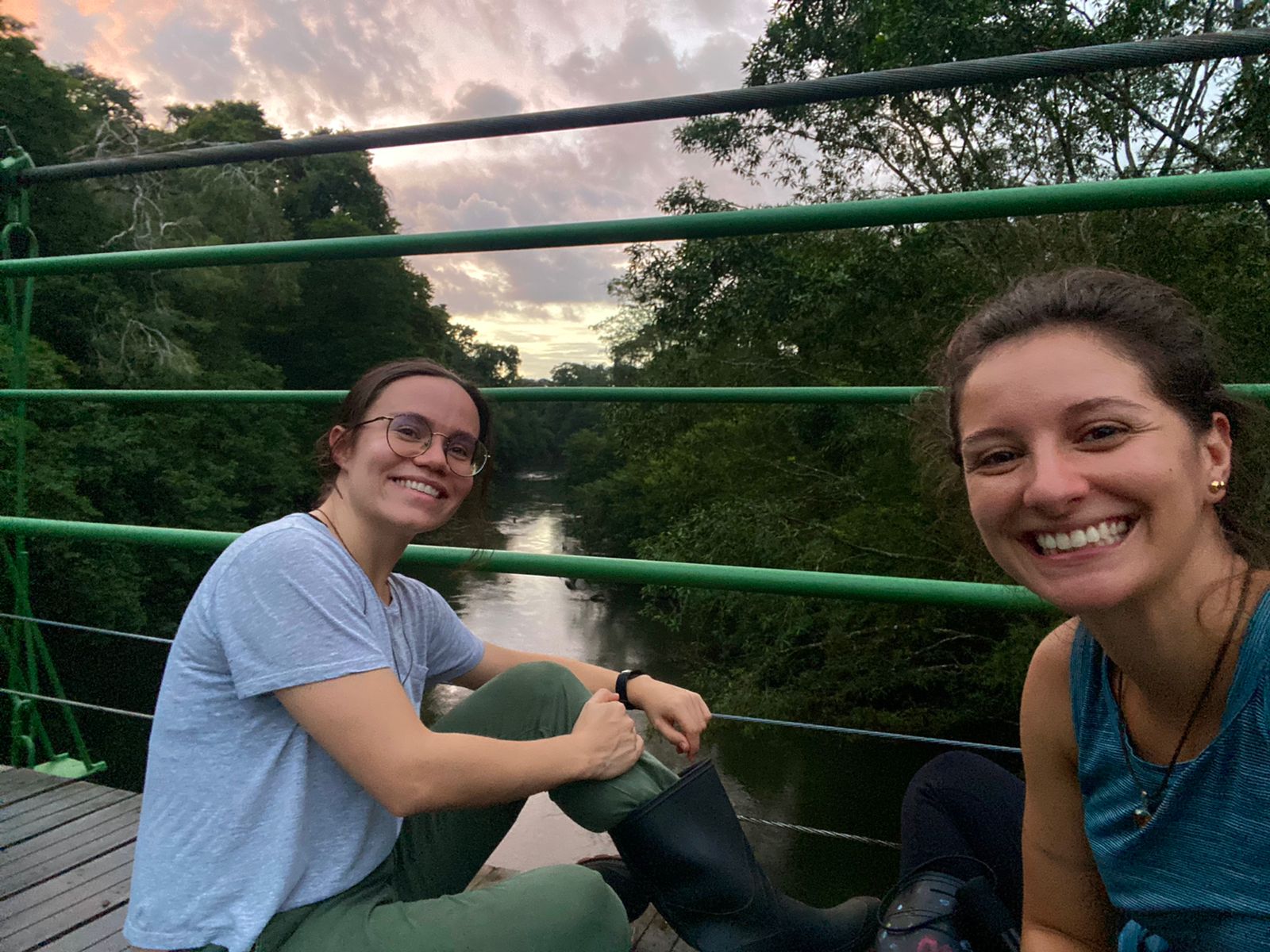
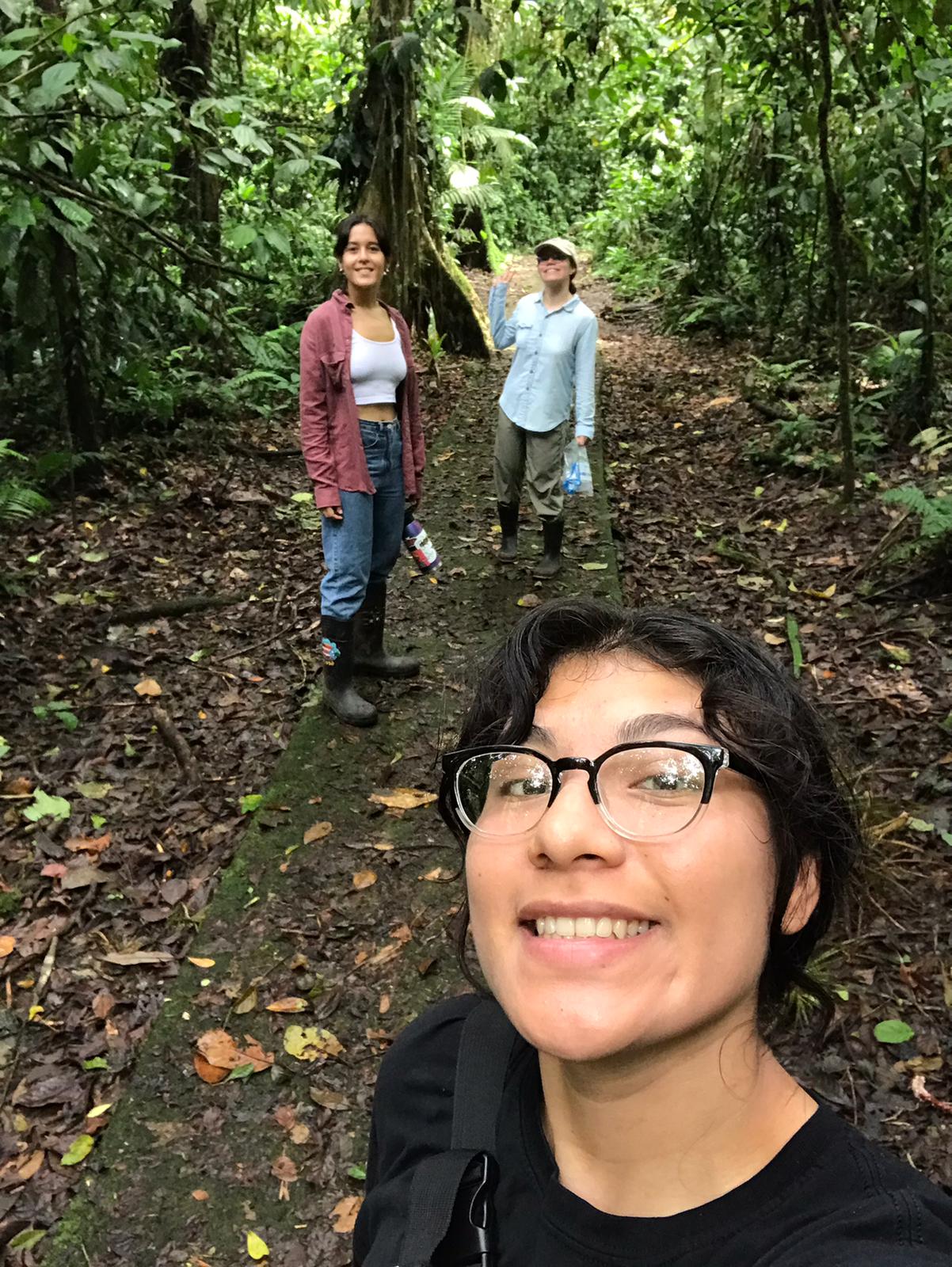
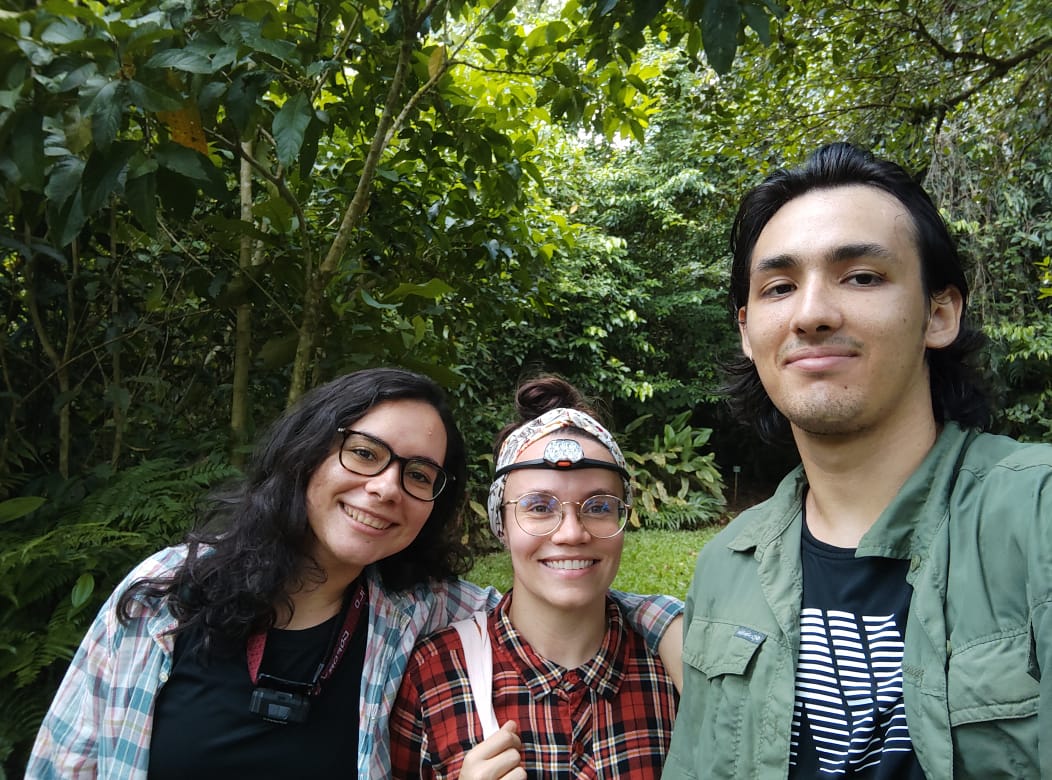
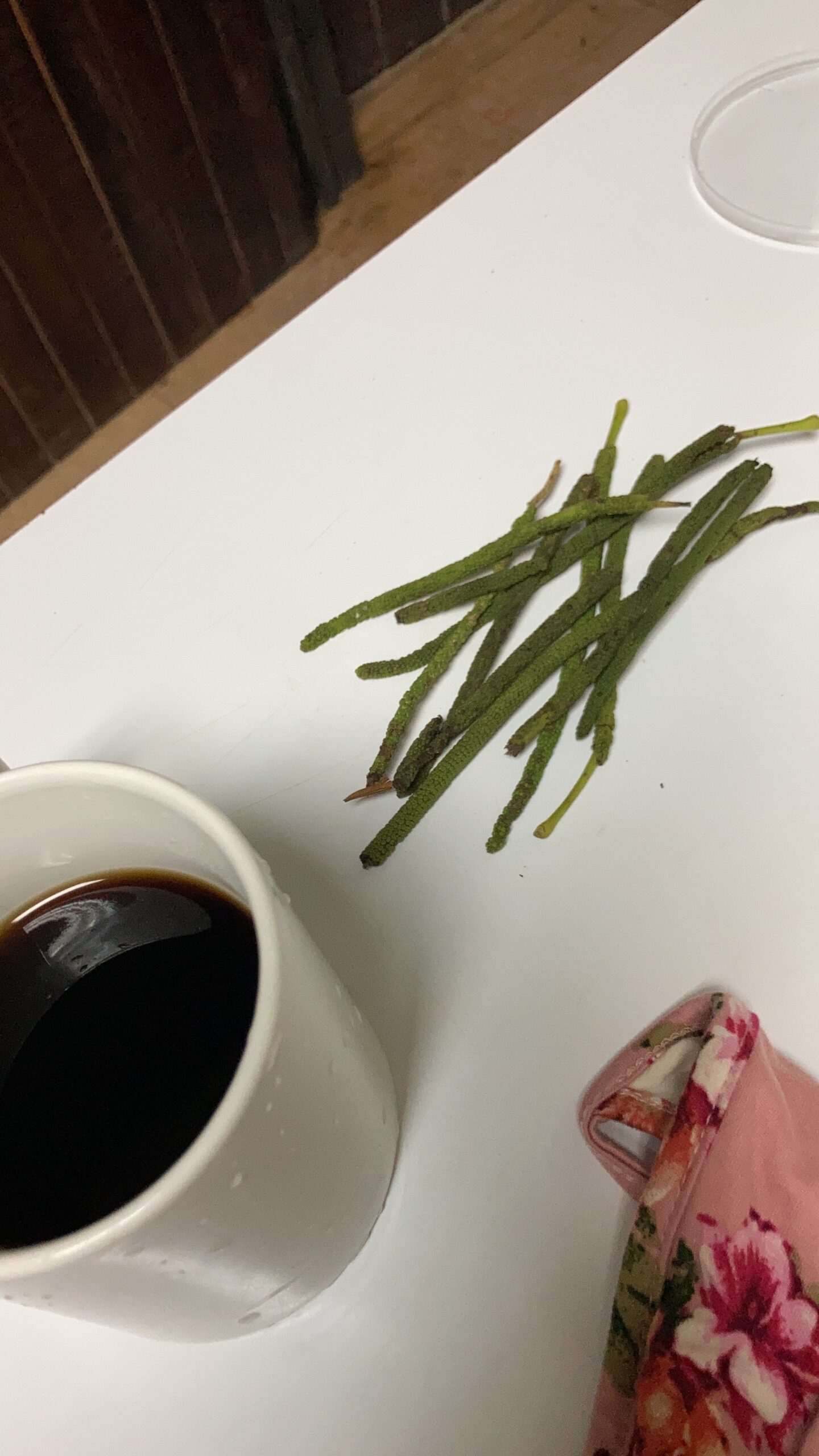
Here are a few pictures and videos from my time at La Selva.